


Understanding the behavior of materials such as carbon steel is necessary in all industries-from construction to manufacturing. Does carbon steel rust? This is one of the biggest concerns of engineers, builders, and manufacturers. Rusting, i.e., corrosion, can considerably deteriorate the functionality of materials, and their shortened lifespan obstructs their safety, thereby connecting the repair task with enormous costs or possibly some failures. This in-depth guide represents the co-relative aspects of carbon steel materials and rust: the science behind corrosion, contributing factors, and prevention methods.
Understanding Carbon Steel
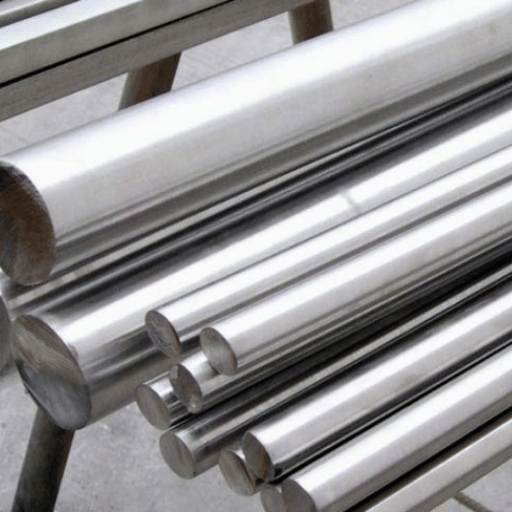
Carbon steel is a material alloyed essentially of iron and carbon, with its carbon content usually ranging from 0.05 to 2.0%. It is thus very high-strength, highly durable, and versatile in use, including construction, manufacturing, and infrastructure. Carbon steel exhibits a wide range of mechanical properties, depending on its carbon content. The higher the carbon content, the higher the hardness and strength, and the lower the ductility. It is one of the more affordable materials for use. Still, rusting and corrosion require it to be correctly maintained or protected to ensure its longevity and optimal performance when exposed directly to water.
What is Carbon Steel?
Carbon steel is a generic term that mainly refers to steel with carbon and iron. It is intense, complex, challenging, and inexpensive. That is why it is a widely used material in many industries, especially construction, manufacturing, and transportation. Carbon steel typically has a carbon content ranging from 0.05% to 2%, with its hardness, strength, and ductility varying according to the carbon content. This steel, no doubt, serves well for structural and industrial applications, though it must be coated or otherwise treated to prevent rust and corrosion.
Carbon Steel vs. Stainless Steel Comparison
Common Uses of Carbon Steel
Carbon steel is utilized across various industries due to its mechanical strength, economical pricing, and general utility. Several applications are as follows:
🏗️ Construction Sector
Structural components such as beams, columns, and reinforcement bars are used due to their ability to withstand heavy loads.
🛢️ Oil & Gas Industry
Pipelines, storage tanks, etc., against rust, act of durability, and cheapness.
🚗 Automotive Industry
The chassis and body frame required strength and impact resistance for safety.
⚡ Energy Sector
Plant and boiler components can withstand moderate heat and pressure conditions.
The Science Behind Rusting
How Rust Forms on Carbon Steel
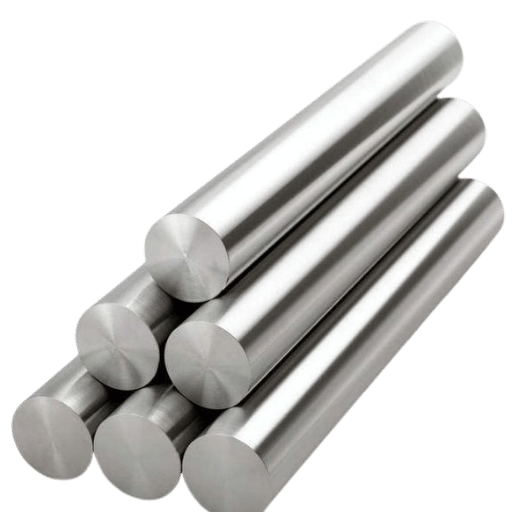
When oxygen and moisture come into contact with carbon steel, a chemical reaction occurs, resulting in the formation of rust, also known as iron oxide (Fe₂O₃). The process occurs when water molecules penetrate the steel surface; the oxygen in the water then reacts with the iron in the steel, causing it to lose electrons—this is known as oxidation.
⚠️Critical Impact of Rusting
Preventing the rusting of carbon steel could extend its operational life by nearly 50%, including in harsh environments with heavy abrasions, such as coastal areas and industrial zones with a prevalence of pollutants.
The Chemical Process of Corrosion
Corrosion essentially involves an electrochemical process in which the surface metal interacts with an electrolyte, causing decay in the material. It commonly occurs through the creation of an electrochemical cell on the metal surface, resulting in the formation of anodic and cathodic sites.
Chemical Reactions in Corrosion:
At the Anode (Oxidation):
Fe → Fe²⁺ + 2e⁻
At the Cathode (Reduction):
O₂ + 4H⁺ + 4e⁻ → 2H₂O (acidic conditions)
O₂ + 2H₂O + 4e⁻ → 4OH⁻ (neutral/alkaline conditions)
Rust Resistance Comparison Across Metals
Factors That Influence Rust Formation

Environmental Conditions
Environmental conditions decide how fast and whether rusting proceeds in the carbon steel. Understanding these factors is key to effective rust prevention.
🌡️ Humidity Levels
Rusting chances increase when the relative humidity in an environment exceeds 60%.
🌊 Coastal Areas
Steel rusts 10 times faster in a salt-laden atmosphere than in inland places.
🏭 Industrial Pollution
High concentrations of sulfur dioxide and pollutants together give rise to acid rains.
💧 Standing Water
With prolonged exposure, if oxygen is available, the environment created is the best for rusting.
Moisture and Humidity Effects
Key Humidity Insights:
- When relative humidity is above 60%, corrosion is likely to occur, as water films will form thinly over metal surfaces.
- Temperature changes cause condensation, creating local wet and dry cycles that accelerate the destruction of the protective layer.
- Unable to be controlled, humidity significantly decreases corrosion by as much as 20%.
- Coastal areas experience more severe corrosion compared to arid regions due to higher moisture levels.
Impact of Coatings and Alloy Composition
Coatings and alloy compositions play a central role in making carbon steel durable and fit for purpose in corrosive environments.
🛡️ Advanced Protective Coatings
- Epoxy-based systems
- Polyurethane coatings
- Fluoropolymer-based systems
- Can reduce corrosion rates by up to 50%
⚗️ Alloying Elements
- Chromium (1-2%): Forms protective oxide film
- Nickel: Enhances acidic environment resistance
- Molybdenum: Combats chloride-induced pitting
- Can reduce corrosion rates by up to 70%
Preventative Measures to Protect Carbon Steel
Rust-Resistant Carbon Steel Options
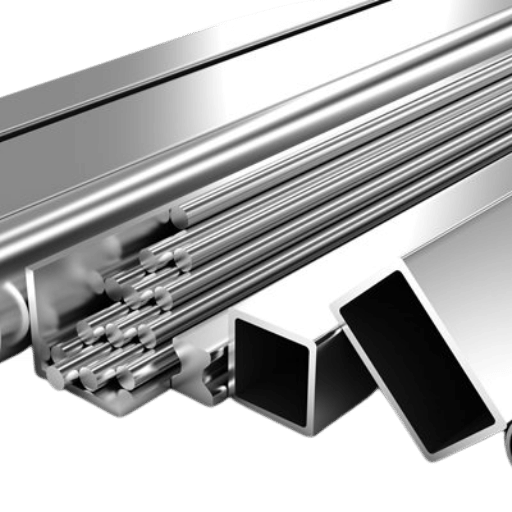
Modern developments in metallurgy have brought about various grades of carbon steels with varying degrees of resistance to rust and corrosion:
🌦️ Weathering Steel (Corten)
Develops a stable rust layer that prevents further corrosion; suitable mainly for outdoor use in bridges and buildings.
⚡ Galvanized Carbon Steel
Coated with zinc through hot-dip galvanization, acting as sacrificial anode protection.
🎨 Epoxy/Powder Coated
Combines the properties of mechanical strength with resistance to chemical degradation and exposure to saline environments.
Effective Coating Solutions
Essential Rust Prevention Tips
✅
Proven Prevention Strategies
1. Apply Protective Coatings
Use paints, powder coatings, or advanced fluoropolymer-based solutions as moisture and oxygen barriers.
2. Choose Corrosion-Resistant Materials
Select materials like stainless steel or aluminum for naturally protective oxide layers.
3. Regular Maintenance & Cleaning
Keep surfaces free of contaminants, such as dirt, salt, and chemicals, through routine cleaning.
4. Implement Cathodic Protection
Employ sacrificial anodes to prevent corrosion from pulling away from the structures being protected.
5. Control Environmental Factors
Humidity levels must remain below 50%, with proper ventilation ensured in enclosed spaces.
6. Apply Rust Converters
Allow the passing of existing rust into a stable compound, such as ferric phosphate, for the affected areas.
Case Studies and Real-World Applications
Industry Examples of Corrosion Prevention
🛢️Oil & Gas Industry
The pipelines received protective coating treatments and were given cathodic protection systems to offer protection against moisture and chemical exposure, in turn causing carbon steel corrosion.
✈️Aerospace Industry
If anodized appropriately, aluminum alloys along with high-end coatings can ensure the aircraft frames withstand varying atmospheric conditions from high humidity to saltwater exposure.
🚢Marine Industry
The anti-fouling paints and sacrificial anodes in use on ships and offshore structures constitute the best means of tackling corrosion due to saltwater.
Expert Insights on Carbon Steel Maintenance
“The primary focus in the maintenance of carbon steel is controlling its exposure to corrosive elements such as moisture, oxygen, and pollution. Periodic inspections and applying protective coatings of zinc or epoxy primer go a long way in preventing rust formation and degradation of the material.”
— Dr. Michael Carter, Metallurgical Engineer
“When cathodic protection can be supplied and environmental conditions controlled, remarkable increases in the lifespan of carbon steel components can take place. Cathodic protection systems actually have been found to reduce corrosion rates by nearly 90 percent for structures submerged or buried.”
— Emily Lawson, Industrial Materials Specialist
📊
Industry Impact Statistics
Corrosion-related costs equal 3.4% of the world’s GDP every year, according to a report of the National Association of Corrosion Engineers (NACE). Thus, corrosion prevention largely depends on the upkeep of carbon steel, so that these costs can be reduced and operations can be assured.
Success Stories in Rust Removal
🏭 Texas Chemical Plant
- Used eco-friendly chelating agents
- Minimized environmental impact
- Result: 30% reduction in maintenance costs over 5 years
🚢 Marine Fleet Company
- Implemented laser cleaning technology
- Preserved structural integrity
- Result: 25% reduction in maintenance intervals
⚡ European Power Plant
- Integrated vapor-phase corrosion inhibitor (VPCI)
- Protected turbine components during downtime
- Result: Significantly decreased unplanned outages
Frequently Asked Questions (FAQs)
❓ Does carbon steel rust easily?
All carbon steels do rust if moisture and oxygen are present. Corrosion begins when iron and carbon from the steel come out of equilibrium with the surrounding elements and form iron oxide, commonly known as rust.
🛡️ How can I prevent rust from forming on my carbon steel products?
Once rust forms, it’s too late to do much for the carbon steel. What prevents rust is keeping the surface clean and dry. Oiling the surface at regular intervals also prevents oxidation and rust formation. Furthermore, one can go for protective coatings or galvanized options for additional protection.
⚔️ Can high-carbon steel rust?
Yes. High-carbon steels actually rust when they are not properly maintained. This steel has a very high carbon content, which increases its strength but also makes it very vulnerable to rusting when not adequately protected.
🔍 What’s the difference between carbon steel and stainless steel regarding rust?
Carbon steel rusts more easily than stainless steel because it is mainly devoid of chromium, which imparts this corrosion resistance to stainless steel. Stainless steels are fabricated to resist rust and oxidation.
🧽 How do I remove rust from a carbon steel blade?
Remove rust from a carbon steel blade using steel wool or sandpaper by gently scrubbing the affected areas. After the rust has been removed, apply oil to protect the metal surface from further rusting. In some severe cases, one might need to use rust converters.
🛢️ What role does oil play in preventing rust on carbon steel?
Oil prevents the surface of carbon steel from coming in contact with moisture and oxygen by acting as a barrier. Applying a thin coating of oil regularly can significantly reduce the chances of oxidation and rust.
🌊 Can exposure to salt water cause rust on carbon steel?
Yes, the salt water does more damage by enhancing the rusting process on carbon steel, as salt is corrosive in nature. Severe rusting would develop if the steel is not cleaned and maintained properly after it comes into contact with salt water.
⚗️ How does carbon content affect rust resistance?
The carbon content in carbon steels affects hardness and strength in such a way that it does not impart any rust resistance. A high carbon content will develop a tough steel, which is not rust-resistant unless it is given proper treatment.
🔗 Is galvanized carbon steel rust-resistant?
Yes, galvanized carbon steel prevents rusting because a layer of zinc is coated on its surface, which helps stop galvanic corrosion and protect the steel from oxidation.
💧 What happens when carbon steel is exposed to moisture and oxygen?
Rust is formed when carbon steel comes into contact with water and oxygen in the atmosphere. The process of rust formation is witnessed more frequently in humid surroundings with a copious supply of moisture.
Key Takeaways
🔬 Understanding is Key
Carbon steel is a material that rusts if it’s moisture and oxygen. But if you understand how it functions, you can prevent this oxidation.
🛡️ Prevention Works
A good binary of coating and maintenance, plus some environmental control if needed, can literally double the life of carbon steel.
💰 Cost-Effective Solutions
Prevention costs much less than both the damage caused by rust and the costs associated with its replacement.

