


Corrosion is a natural process and, indeed, there is no other way to look at it-it can attack even the most robust materials. The question of whether alloy steel rusts is very much significant to engineers, manufacturers, and users depending on its application and versatility. The present comprehensive guide will take into consideration all factors affecting corrosion in alloy steel with a discussion on the role of different alloying elements, the environmental conditions affecting corrosion, and the measures taken for its protection.
📋 Quick Answer
It can be said that alloy steel cannot be considered merely as a metal that rusts; somewhat, its susceptibility to corrosion varies with the alloying elements present. Elements such as chromium, nickel, and molybdenum notably enhance corrosion resistance by either forming protective oxides or through other mechanisms that impart resistance to harsh environmental conditions.
Understanding Alloy Steel
Definition and Composition of Alloy Steel
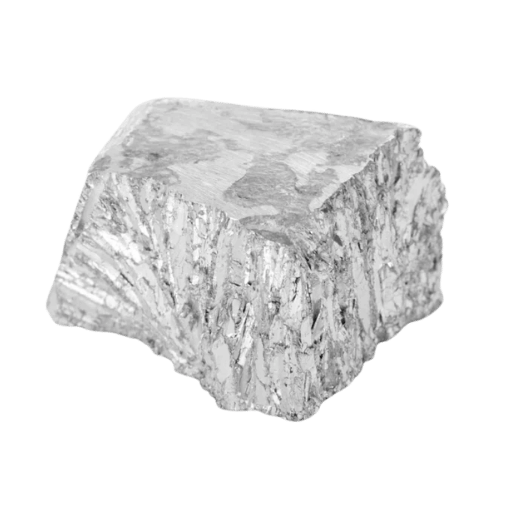
Alloy steel is a type of steel that contains specific alloying elements in varying proportions, which are modified to achieve desired mechanical properties and performance. It may include manganese, chromium, nickel, molybdenum, vanadium, or silicon, each imparting specific properties that can be enhanced, such as strength, hardness, toughness, wear resistance, or corrosion resistance. Alloy steel can be prepared in various compositions, depending on its purpose, to suit specific industrial needs.
Types of Alloy Steel and Their Properties
Alloy steel can be broadly classified into two main types based on the level of alloying elements present:
🔧 Low-Alloy Steel
- Contains less than 5% alloying elements
- High strength and good toughness
- Excellent resistance to wear
- Used in construction machinery, automotive components, and structural parts
⚡ High-Alloy Steel
- Contains more than 5% alloying elements
- Superior corrosion resistance
- Excellent formability and high-temperature strength
- Used in chemical processing, aerospace, and medical instruments
Alloying Elements: Role of Carbon, Chromium, and Nickel
Carbon, chromium, and nickel are critical alloying elements that define the properties of steel:
🔬 Carbon
Steel’s hardness and strength are enhanced by carbon through the formation of carbides, such as iron carbide or cementite. But too much carbon lowers the steel’s ability to deform or absorb energy.
🛡️ Chromium
Offers corrosion and oxidation resistance by virtue of fine, spontaneous oxide formation on the steel surface. It also enhances the hardness and strength of steel, especially in stainless steel.
💪 Nickel
The enhancement can be considered to increase crack resistance and ductility, even at low-temperature levels. Corrosion resistance is aided by it, as well as improving weldability and further strengthening of alloyed steels.
Rust and Corrosion in Metals
What is Rust and How Does it Form?
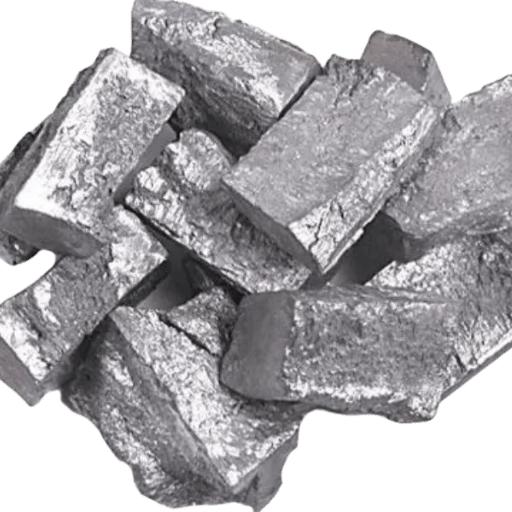
Rust is a type of corrosion that occurs when iron or steel interacts with moisture and oxygen present in the atmosphere, resulting in the formation of iron oxides. The presence of water, which dissolves carbon dioxide from the air forming carbonic acid, initiates the process. The acidic solution causes iron to lose electrons, and electrochemical reactions occur. The iron ions then combine with oxygen to form hydrated iron oxides, which constitute the red-brown precipitate known as rust.
💡 Did You Know?
According to studies, the speed of rust formation increases in high-humidity environments, such as those exposed to salt deposits or containing pollutants like sulfur dioxide, which are often present in industrial or coastal environments. In billions of dollars, yearly corrosion damage, including rust, emphasizes the need to build preventive measures.
Types of Rust and Their Impact on Alloy Steel
Rust, also called iron oxide, can exist in various forms depending on environmental parameters and the composition of the alloy steel. The different types of rust present distinct challenges in terms of material integrity and performance.
🔴 Red Rust (Fe₂O₃·H₂O)
This is the most common form of rust when oxygen and moisture are present in abundance. Red rust is typically flaky and powdery, and can compromise the structural stability of alloy steel. Studies have shown that in humid climates, the process of corrosion proceeds rapidly in the presence of red rust.
🟡 Yellow Rust (FeO(OH)·H₂O)
This type is found wherever water runs or lies, as in pipelines or structural members subjected to rainfall. Pitting corrosion would ensue, thereby seriously jeopardizing the load-bearing capacity of alloy steel.
🟤 Brown Rust
Develops under low-humidity conditions, such as those found in arid weather. Although it is less aggressive than red or yellow rust, it also creates stress points over time and damages surface treatments, such as paints or galvanization.
⚫ Black Rust (Magnetite – Fe₃O₄)
An uncommon form, usually dense and adherent. It forms under low-oxygen conditions. While the red and yellow rust do not, black rust sometimes manages to play the role of a barrier, saving the metal from further corrosion.
🟢 Green Rust
It is scarce and represents a transitional phase between types of iron oxides, and most often does not last long before transitioning to more aggressive types of rust. This type of rust typically occurs in environments with high chloride concentrations, such as coastal areas. “Green rust” is especially hazardous for alloy steels in marine scenarios.
⚠️ Important Note
Industry reports suggest that corrosion-related failures may offset maintenance windfalls of up to 25 percent worldwide in the alloy steel industry. Consequently, there should be maximum prevention through cathodic protection, polymer coating, and well-periodic inspections to minimize such risks and in turn ensure the longevity of any alloy steel components.
Factors Affecting Corrosion Resistance in Alloy Steel
Several key factors influence the corrosion resistance of alloy steel:
- Chemical Composition: The presence of elements such as chromium, nickel, and molybdenum enhances corrosion resistance by forming protective oxide layers or improving steel’s resistance to specific environments.
- Environmental Conditions: Exposure to highly acidic, saline, or humid environments accelerates corrosion, especially in the absence of protective coatings or treatments.
- Heat Treatment: Upon correct heat treatment, the microstructure of the alloy steel can be optimized to resist corrosion.
- Surface Finish: Smooth surfaces present very few places for corrosive agents to accumulate, whereas rough and damaged surfaces become highly vulnerable to chemical attacks.
- Maintenance Practices: For already-built structures, frequent inspection and cleaning, combined with the application of protective coatings, provide an excellent lifespan for the particular alloy steel by minimizing corrosion risk.
Alloy Steel vs. Stainless Steel

Corrosion Resistance: Key Differences
Alloy steel and stainless steel exhibit distinct differences in terms of corrosion resistance, primarily due to their chemical compositions and structural properties. Stainless steel contains a significant amount of chromium, typically above 10.5%, which forms a thin, passive chromium oxide layer on the surface. This protective layer is highly resistant to oxidative reactions and repairs itself if damaged, offering superior resistance to rust and corrosion, even in extreme environments.
🔩 Alloy Steel
- ✓ Lower cost
- ✓ Higher strength
- ⚠️ Requires protective measures
- ⚠️ More susceptible to rust
🛡️ Stainless Steel
- ✓ Superior corrosion resistance
- ✓ Self-healing protective layer
- ⚠️ Higher cost
- ⚠️ Lower strength-to-weight ratio
Applications of Alloy Steel and Stainless Steel
Alloy Steel Applications
The strength, toughness, and capability to bear vigorous stressful conditions are the best yields achieved by alloy steel, allowing it to be used for:
- Automotive industry: gears, crankshafts, and structural components
- Aerospace sector: aircraft structural components
- Construction: large-scale bridges and heavy machinery
- Power industry: turbine blades and pressure vessels
Stainless Steel Applications
Stainless steel, renowned for its corrosion resistance, plays a vital role in:
- Food and beverage industry: processing equipment, storage tanks, and kitchen tools
- Medical field: surgical instruments, implant devices, and hospital equipment
- Architecture: modern skyscrapers and public infrastructure
- Marine applications: where prolonged exposure to saltwater is expected
Which is More Immune to Rust?
🏆 Winner: Stainless Steel
When considering rust resistance, stainless steel is generally the better choice over alloy steel due to its specific composition. It contains at least 10.5% chromium, which, in the presence of oxygen, forms a thin protective oxide layer on its surface. This passive oxide layer thus blocks moisture and air, so rust and corrosion hardly occur even in the most humid or saline environments.
Data indicate that stainless steel grades such as 304 and 316 resist corrosion better than others, with 316 exhibiting enhanced resistance due to the presence of molybdenum, which increases resistance to chloride-induced corrosion.
Preventing Rust in Alloy Steel

🔧 Maintenance Tips for Alloy Steel
🧽 Regular Cleaning
Remove dirt, moisture, and contaminants that could aid corrosion. Use a non-corrosive cleaning element that is suitable for alloy steel.
📦 Proper Storage
Dry alloy steel should be stored in a cool, well-ventilated area to prevent exposure to moist environments, which can promote corrosion.
🛡️ Protective Coatings
Coat the surface with any type of paint, galvanization, or special rust inhibitors that can shield the surface from oxygen and moisture.
🔍 Routine Inspections
Periodically inspect for rust or damage and rectify any problems immediately to prevent the situation from worsening.
🌡️ Controlled Environment
Meaning, to lower any undue humidity, temperature fluctuations, or maybe any dangerous chemicals that could outrightly destroy the metal.
Corrosion-Resistant Alloys: What They Are and How They Help
Corrosion-resistant alloys are materials specifically designed to withstand degradation in severe environmental and chemical conditions of the work environment. This alloy likely contains a mixture of metals, including chromium, nickel, molybdenum, and iron, and is used in situations where a standard material would corrode.
💡 Key Benefits
- Extended Lifespan: Corrosion-resistant alloys can extend equipment lifespan by up to 50%
- Cost Reduction: Significantly reduce long-term operational costs
- Versatile Applications: Suitable for aerospace, marine, construction, and chemical processing
- Enhanced Safety: Improved reliability in critical applications
Coatings and Treatments to Enhance Durability
Coatings and treatments serve as critical measures to extend the service life and performance of materials exposed to extreme environments:
🎨 Protective Coatings
- • Epoxy coatings
- • Polyurethane layers
- • Ceramic-based coatings
⚡ Anodizing
- • Enhanced surface hardness
- • Improved corrosion resistance
- • Aesthetic customization
🔥 Thermal Spray
- • Plasma spraying
- • HVOF processes
- • Superior durability
🔬 Nanocoatings
- • Self-healing properties
- • Ultra-thin protection
- • 30% improved abrasion resistance
Comparative Analysis with Other Metals
How Alloy Steel Compares to Carbon Steel
Comparison with Other Corrosion-Resistant Alloys
Environmental Factors Influencing Rust Formation
Rust formation is a chemical process that occurs when iron, oxygen, and water interact. Several environmental factors accelerate or slow down the process. Understanding such factors is key to preventing corrosion in various applications.
💧 Humidity and Moisture
High humidity levels promote corrosion. When the relative humidity crosses the 60% mark, enough water is present in the air to sustain an electrochemical reaction for rust formation, especially in crevices.
🌡️ Temperature
An increase or decrease in temperature affects the rate of chemical processes, including oxidation. High temperatures may favor rusting; however, ironically, they might also reduce moisture, thereby bringing about an adverse reaction.
🧂 Salinity
Having salts, particularly sodium chloride, their presence favored the solution of water between metal and extension to its electrochemical reaction: from seawater or road-residue de-icing salts. Such areas are especially susceptible to this factor.
🏭 Air Quality and Pollutants
SO₂ and NOₓ represent pollutants changing the atmospheric states capable of dissolving in water and adding acidity to the corrosion processes.
🌱 Soil Composition
For those metals lying underground such as pipelines, the soils in contact with the metal influence rust formation. Soils with high acidity, moisture, and chloride content have a chance of underground corrosion.
🛡️ Protective Coatings
An environmental factor this is not, yet it still controls how much a coating saves a particular material from rusting under a specific environment.
Frequently Asked Questions (FAQs)
📚 Conclusion
🎯 Key Takeaways
✅ Rust Possibility
Alloy steel rusts, but its capacity to be rusted is strictly dependent upon alloying elements, notably the percentage of chromium.
🛡️ Protection Methods
Appropriate coatings, maintenance, and environmental control are vital to prevent this corrosion.
⚖️ Material Selection
Select alloy steel or stainless steel according to the need for application and the cost consideration.
🌍 Environmental Impact
Having knowledge of environmental factors aids in the implementation of corrosion prevention.
Designing a component, product, or structure at any stage of any industrial infrastructure requires a detailed knowledge of various corrosion mechanisms in alloy steel. Hence, the factors leading to corrosion must be communicated to engineers, manufacturers, and industries to enable them to select suitable materials, apply protective measures, and implement effective maintenance strategies. Due to the implementation of appropriate safeguards in cases where a specific alloy composition is deemed ideal for a particular application, the life and structural integrity of the respective alloy steel component will increase significantly, ensuring its optimal performance in many industrial applications.
This comprehensive guide provides the essential knowledge needed to understand alloy steel corrosion and implement effective prevention strategies for industrial applications.

