


Satin Anodized Aluminum: A Versatile Finish for Modern Applications
Introduction to Aluminum and Anodizing
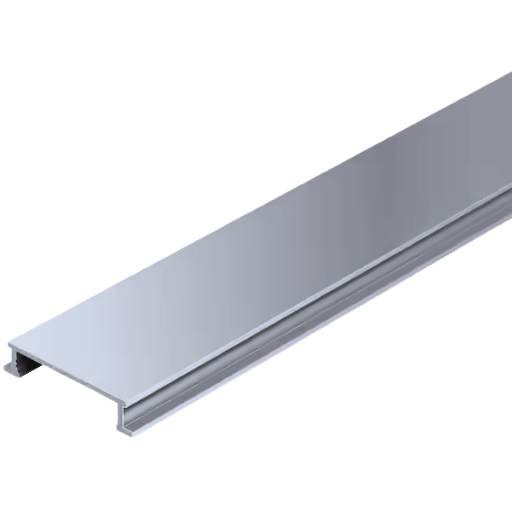
In many applications, lightweight, strong, and very pliable aluminum alloys are used as they have a high specific strength and are corrosion-resistant. Anodization provides the reinforcement of the oxide layer on the surface of aluminum, strengthening it, improving its resistance to scratching, and adding color. An electrochemical coating process produces a layer that is even and controlled, and offers the possibility of generating colors as desired.
Overview of Aluminum as a Material
Aluminium is a metal that is of minimal weight, a versatile element that has been known to have a high strength-to-mass proportion, is resistant to corrosion, and is also recyclable. That is why it has been used for decades in the manufacturing of various things such as buildings, vehicles, and even packages. This is because it is quite strong yet easily malleable. These oxides, which occur naturally on the surface, increase the lifespan of the material when exposed to the elements and therefore make it a preferred material for applications that involve prolonged use. It is also important to note that the production and recycling of this material conserve a lot of energy, thus making it a very green material.
Understanding the Anodizing Process
The technique for surface treatment of aluminium, also known as anodizing, consists of an electrochemical process where the material is treated on the upper part to improve durability, aesthetics, and resistance to corrosion. The process involves submersion of aluminum into an electrolyte solution to which an electric current is applied to form a thin, accurate oxide layer on the surface’s interior. Such oxide coating is essential and useful because it serves both purposes of offering wear and corrosion protection and enabling color finishes on the surface.
The Rise of Satin Anodized Aluminum
The aesthetic and durability of satin anodized aluminum have made the finishes extremely popular. The finish makes sure that the material remains corrosion and abrasion-resistant with minimum reflection, which is a good finish for design changes and also functional purposes. Many modern interior and electronic design elements and automotive parts, where aesthetics is just as important as the usability of a space, make use of the material for one reason or another.
What is Satin Anodized Aluminum?
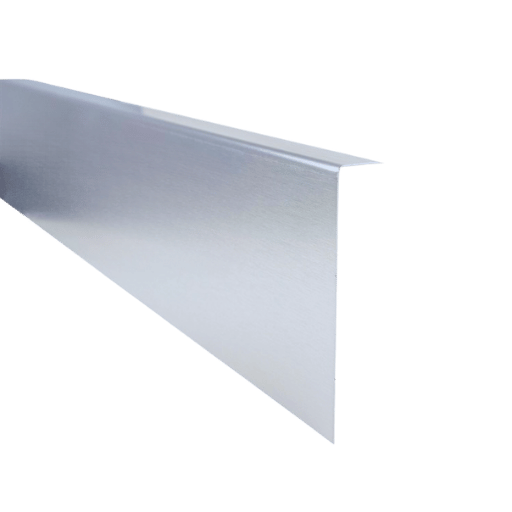
Defining the Anodizing Process
Anodizing is an electrochemical process that, instead of painting, builds up the natural oxide layer onto the surface of aluminum. This methodically controlled process is introduced to improve the material’s durability, corrosive potency, and color retention. The procedure, otherwise known as an electrolytic process, entails introducing the aluminum into a specialty solution and passing an electrical current through it, forming a coating with an oxidative film on the aluminum.
Characteristics of Satin Finish
- Nice Looking, Texture-Less Impression: This beautiful satin modified gypsum, or does it have something else, would allow usage in most awarding and rehabilitation structures and utilities.
- Resistance Against Scratches: The coating or covering is rougher and so enhanced – many knocks, bruises, and quite a number of scratches can be sustained as the areas are ever busy, crunchy, and often very busy, i.e., handled.
- Rust Resistance: The aluminum oxide coat providing the MPA grade cds is protection against rust, so satin anodizing ensures the longevity of the material.
- Design Flexibility: Generally makes clear that satins are available in various shades and colors, allowing the users to express themselves more effectively both within the specified ranges and beyond.
- Easy to Take Care: Due to the characteristics of this coating, it is very simple to wash or car fore, making it very convenient in homes as well as heavy industries.
Comparison with Other Aluminum Finishes
| Parameter | Satin | Bright | Mill | Brushed | Powder |
|---|---|---|---|---|---|
| Gloss | Low | High | Natural | Medium | Varies |
| Durability | High | High | Low | Medium | High |
| Aesthetics | Subtle | Reflective | Raw | Textured | Custom |
| UV Stable | Yes | Yes | No | No | Yes |
| Maintenance | Easy | Moderate | High | Moderate | Easy |
Benefits of Satin Anodized Aluminum
Durability and Resistance
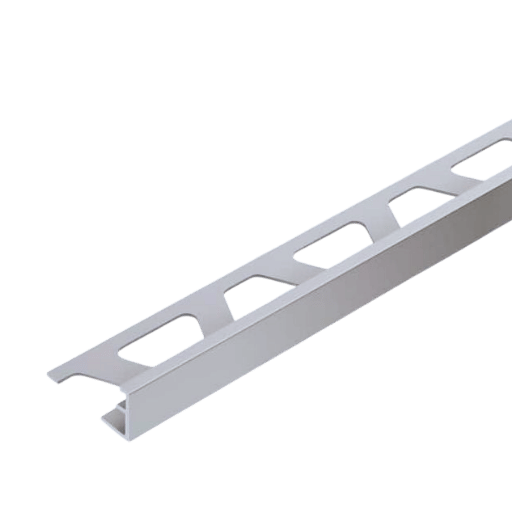
Satin anodized aluminum has a number of excellent benefits, particularly in terms of durability, as this material is stronger than other materials due to its outer surface and oxide protection. As such, the surface is smooth, which greatly reduces the possibilities of any scratches, wear, or corrosion against the environment, including ultraviolet exposure. Moreover, the anodic layer is very resistant to all kinds of chemicals unless there is chemical degradation in addition to harsh environments.
Aesthetic Appeal of Satin Clear Finish
- Subtle Elegance: Emphasizing the complex appeal of a natural appearance does not end with the application of a satin anodized aluminum. There is a satinized aluminum effect, which is elegant.
- Relevant to Business: Its vast color range and even surfaces make it fit in many interior design styles.
- Greater Understanding of Space: Recognizes the intricate 3-dimensional aspect of a surface, which automatically makes it more appreciative of the craft.
Low Maintenance and Eco-Friendly Options
Substance possessing the ability to resist stains and therefore does not require constant use of cleaners and other chemicals, and thus saves time and expenses. Additionally, the growing need for the natural theme of sustainability can be addressed by eco-friendly options, which are finishes that contain less organic solvent or chemicals that are volatile, thus not emitting volatile organic compounds, which is one of the aspects that enhances the quality of household air and aligns with the sustainability cause of the environment.
Applications of Satin Anodized Aluminum Across Industries
Architectural Uses and Examples
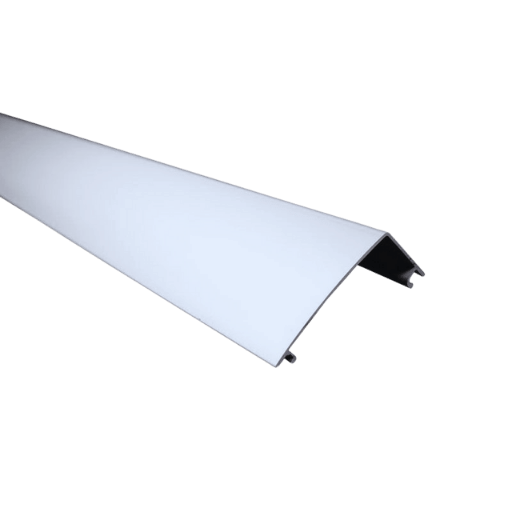
- Building Exteriors and Facades: Building facades made of satin anodized aluminum are extensively used because they last long, are resistant to various weather conditions, and are attractive
- Door and Window Frames: These window and door frames lend themselves to residential projects, commercial buildings, and even industrial constructions
- Panels for Walls Inside the Room: These panels renovated the room, making it modern and sensory, and also were very convenient to maintain
- Canopies Over Roof Structures: Their use can be extended outside the structure due to the nature of their construction and installation
- Signage Systems: They come with a professional look and can survive weather changes over time
Consumer Electronics Innovations
A major component of the progression of consumer electronics is satin anodized aluminum because it is light, strong and at the same time has an attractive finish. It finds application in the making of smartphones, laptops, and wearables that give it a sophisticated and contemporary look, coupled with the ability to resist scratches and oxidation.
Automotive and Industrial Applications
- Vehicle Chassis and Frames: Boosts the fuel economy, along with the general advancement in the vehicle’s performance
- Engine Components: Implemented in components such as cylinder heads, pistons, and radiators, which require good heat dissipation
- Wheels and Rims: Provides the optimal combination of weight decrease and strength improvement
- Industrial Machinery: Does not corrode easily, even in aggressive surroundings
- Power Transmission Systems: It has efficient working capabilities due to the high strength-to-weight ratio
Comparison with Other Aluminum Finishes
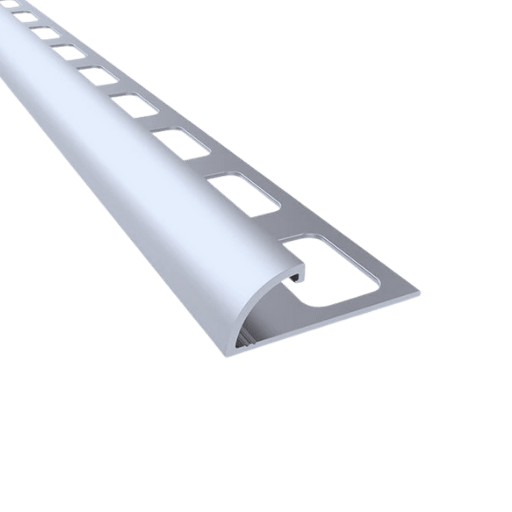
Polished Aluminum vs. Satin Anodized
Shiny aluminum provides a mirror finish, which is highly reflective but is poor in terms of corrosion resistance and requires more maintenance as compared to satin anodized aluminum that has endured the corrosion and development of a rough surface, making it easier to maintain.
| Parameter | Polished | Satin Anodized |
|---|---|---|
| Finish | Glossy | Matte |
| Durability | Moderate | High |
| Corrosion Resistance | Moderate | High |
| Maintenance | High | Low |
| Applications | Decorative | Structural |
| Color Options | Limited | Versatile |
| Cost | Lower upfront | Higher upfront |
| Lifespan | Shorter | Longer |
Brushed Aluminum Characteristics
- Visuals of Distinctiveness: The Surface Across the Canvas of Mechanically Produced Texture
- Anti-scratch Performance: By utilizing a brush-finished pattern to alleviate the presence of a few scratches
- Reduction of Glare: Decreased reflectance by treatment of the surface to scatter light
- Protection against Corrosion: It is still present when supplementary defenses are introduced
- Multiple Uses: Integrated within automobile styling, appliance engineering, building and civil engineering
Maintenance Tips for Satin Anodized Aluminum
Effective Cleaning Methods
- Utilise tepid water and mild soaps for the purpose of cleaning dirt
- Use on a fine and gentle pad or sponge to prevent abrasions
- Rinse well with some fresh water to get rid of soapy streaks
- Don’t use any acid-based chemical because it can mar the anodized layer
- Be sure to wipe up the liquid with a no-lint cloth immediately to avert the formation of spots
- The specially prepared aluminum polish is only relevant in the case of satin anodized aluminum
- Protective film should be applied repeatedly to ensure protection
Preventive Care Strategies
- Soap and water are adequate for cleaning surfaces on a daily basis
- Do not use a hard-bristle brush or sponge and harsh cleaner
- Regularly check for any damage or wear-outs
- Minimize contact with extreme weather
- Keep materials in dry places
Future Trends in Satin Anodized Aluminum
Innovative Colors and Custom Finishes
Today’s advances in satin anodized aluminum have opened up the opportunity for long-lasting bright colors, such as metallics or mattes, to be available, including the design of special colors. Such progress is aimed at meeting both decorative and practical needs in architecture, consumer electronics, and automotive sectors, among others. As a bonus, advances in the anodizing process also allow for intricate textures or patterns to be created, as for instance, aiding in creating specific surfaces that incorporate desired branding.
Focus on Sustainability
The following measures help to make the anodizing procedure and practice sustainable. The practice is considered eco-friendly because it does not involve the use of VOCs, and a stable and oxidized layer is formed. Measures like energy consumption reduction, utilization of electric devices to reduce power in chemical processes, contribute to the environmental impact. Likewise, using enclosed water circuits helps to minimize the waste of water and pollution on the part of manufacturers.
Technological Advancements in Anodizing
The incorporation of large-scale advancements into anodization has brought about processes that are eco-friendly and effective. Technological incorporations have rendered tasks simple; consequently, they have decreased reliance on labor and have created quality through automation. Further, the implementation of real-time surveillance equipment gives an opportunity to vary given parameters: temperature, voltage, etc., leading to more precise deposition of an oxide layer.
Frequently Asked Questions (FAQs)
Reference Sources
-
No. 6258 | Satin Brushed Gold Aluminum | Anodized Finish-The University of Texas source, giving source information about anodized aluminum finishes, including satin brushed.
- Aluminium
- Anodizing
- Metal
- Custom Aluminum CNC Machining Service from China

