


CNC Sheet Metal Fabrication: Innovations in Metal Parts and Custom Solutions
CNC sheet metal fabrication has brought a remarkable change in the manufacturing industry because of its accuracy, speed, and flexibility. This high-tech process uses computer-controlled machinery along with cutting-edge processing methods to carve out intricate metal parts and custom solutions needed to address the diverse requirements of various industries. From aerospace to automotive to consumer electronics, CNC sheet metal fabrication really gives businesses the chance to cut out waste and minimize production time in exchange for accuracy that hadn’t been achieved before.
Introduction to CNC Sheet Metal Fabrication

Also called “Computer Numerical Control,” metal fabrication involves automated machines cutting, shaping, and forming sheet metal with absolute precision and consistency. Following computer-generated designs, CNC machines carry out a set of operations, including punching, bending, and cutting, with accuracy and manual reduction as an added benefit. The procedure is highly sought in the automotive, aerospace, and construction industries due to the ease with which it manufactures complex designs with less material waste.
💡 Key Insight
CNC machine technology enhanced production processes, minimized production errors, and enabled larger-scale productions in various industries.
What is CNC Sheet Metal Fabrication?
CNC sheet metal work is an advanced manufacturing process whereby the latest computer technologies are employed to manipulate and change a sheet of metal into a precise component, or in other words, a finished product. CNC machines thus made cutting, bending, punching, and shaping more accurate, and use design files from digital means.
Industry Statistics
Recent data reveal that CNC sheet metal fabrication has found application in various industries such as aerospace, automotive, electronics, and medical equipment because of its reduced material waste, reduced lead times, and maintained quality standards.
Overview of CNC Machines in Metal Fabrication
As essential equipment in a metal fabrication plant, CNC machines cut, shape, and form metal components with high precision and efficiency. Using computer-controlled commands, they enable the execution of very intricate designs with great accuracy and repeatability throughout production.
⚡ Velocity
Repeat faster turnaround times through automation
🎯 Precision
Very accurate and reproducible for duplicating complex designs
🔧 Versatility
Works with aluminum, steel, titanium, etc.
Importance of Sheet Metal in Manufacturing
Dry sheet metal is marvelous: versatile, hard-wearing, and cost-effective in fabrication. It may be formed, cut, and also bent in many ways to achieve practically any design requirement, so it is particularly good when it comes to producing components for the automotive, building, or electronics industries. Sheet metal strength in applications results from its ability to be bent, and as sheets, it can provide lightweight yet sturdy structures for better product performance and efficiency.
Benefits of CNC Sheet Metal Fabrication
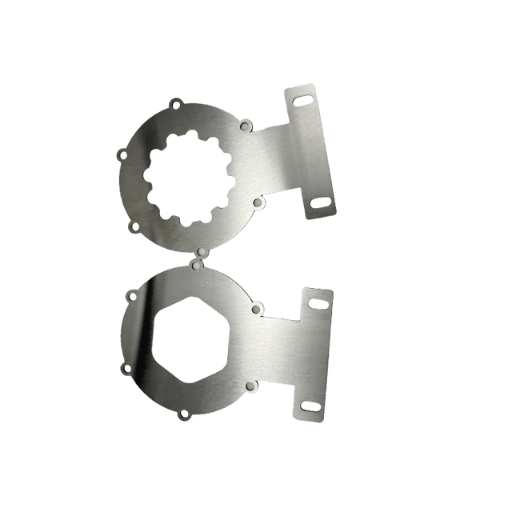
Precision and Accuracy in Metal Parts Production
✅ Precision Advantages
- Computerized machines follow exact digital design models.
- Components are consistent and reliable, with very minor deviations.
- Enhances part quality by reducing human error.
- An ideal application for tight tolerance requirements.
- Enhanced functionality and longevity of metal parts.
Cost-Effectiveness for Custom Parts
Custom manufacturing offers a comparatively cheaper option, and that too based upon scale, efficiency, and material usage for the cutting of sheet metal. CNC machining being the most advanced technology in this regard, helps in decreasing errors in sheet metal production and thereby keeps the total costs down for small and large runs. The cost reduction has its basis on alterations to the design that can be implemented rather quickly, whilst in prototyping or in production itself. Hence, it does prove to be a saving opportunity for projects that have very specific or complex requirements.
Flexibility in Design and Prototyping
Custom sheet metal fabrication offers a myriad of opportunities to be flexible in design and prototyping by allowing exact modifications that the project may require. Having advanced manufacturing tools at their disposal, the fabricator makes rapid adjustments to the design so that it can be efficiently refined through prototyping. The very nature of the process will accommodate the accuracy and consistency needed to churn out complex or single designs while also minimizing turnaround time between revisions.
Recent Technological Advancements
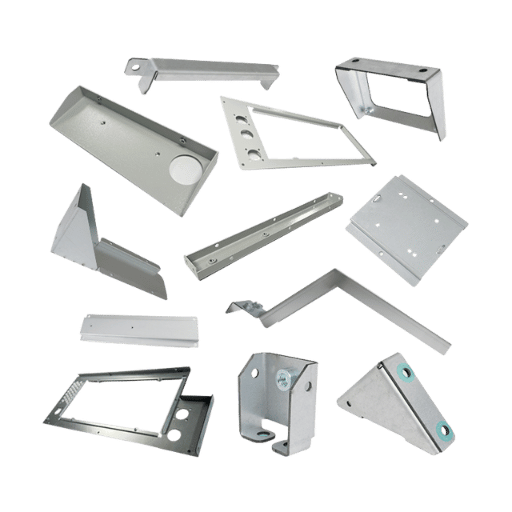
🤖Innovations in CNC Machines
- Additional automation and robotics
- Artificial intelligence and machine-learning integration
- Multi-axis machines evolve more stepwise
- More precision and efficiency
⚡ Laser Cutting Advances
- Increased automation capabilities
- AI integration for precision
- Faster and more powerful machines
- Focusing on sustainability
Integrating Automation in Sheet Metal Fabrication
Sheet metal manufacturing features automation for higher output, precision, and cost-effectiveness. Major advancements include robotic arms for material handling, automated bending and cutting systems for consistent accuracy, and software integration that offers a seamless flow from design to production.
🎯 Here are the benefits of automation:
- Reduced manual intervention: Human errors are minimized, and consistency is increased.
- Improved repeatability: Quality of work is maintained through all production runs.
- Reduced material waste: The Right material quantities are used, thereby reducing wastage.
- Increased turnaround time: Production cycles get expedited.
- Lower operating costs: Labor and overhead costs are reduced.
Common Applications of CNC Sheet Metal Fabrication
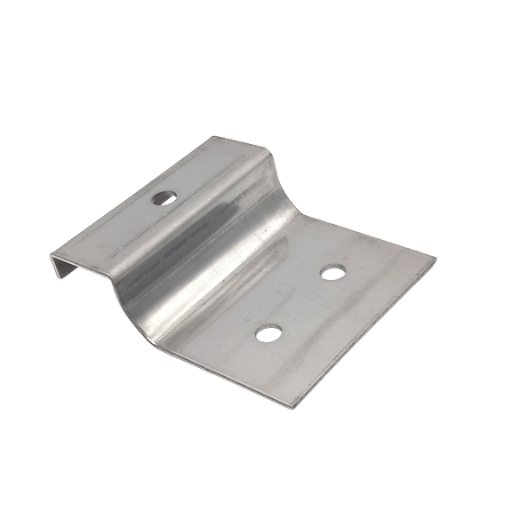
Automotive Industry Applications
🚗 Automotive Components
Aerospace Components and Fabrication
Like the aerospace industry, CNC machining needed to meet the demand for precision beyond measure. This demand arises from the fact that components in aerospace need to withstand extreme conditions, and even a slight discrepancy in dimension may pose issues with safety and performance. CNC serves in the production of just about everything that requires tight tolerances as small as ±0.0001 inches.
Key Applications of CNC Machining in Aerospace
| Component Type | Application | Key Benefits |
|---|---|---|
| Engine Components | Turbine blades, jet engine parts | High-temperature performance, reduced material waste |
| Structural Components | Ribs, fuselage panels, wing spars | Lightweight, structural integrity, fuel efficiency |
| Aerospace Fasteners | Critical connection points | Vibration resistance, stress tolerance |
| Prototyping | New materials, innovative designs | Rapid testing, quick iterations |
📊 Industry Data and Trends
- Market Growth: The global aerospace CNC machining market is projected to grow at a 6.4% CAGR from 2021 to 2026 and reach a value of $3.5 billion by 2026.
- Technology Integration: Modern CNC systems utilize simulation software that can virtually predict tool paths and errors associated with them.
- Efficiency Gains: 5-axis CNC machining cuts down the production time by 50% in the case of complex geometries.
Custom Parts for Electronics and Appliances
🔌 Electronics & Appliance Components
Thermal Management
- Precision-milled heat sinks
- Effective heat dissipation
- Custom cooling systems
Protection and Housing
- Custom enclosures for electronic circuit boards
- RF shielding components
- Sensor and micro-chip housing
Precision Components
- Miniature connectors and switches
- Dimensionally accurate parts
- Wire harness connectors
Interface Elements
- Touch Panels
- Control Interfaces
- Modular Casings and Frames
Challenges in CNC Sheet Metal Fabrication
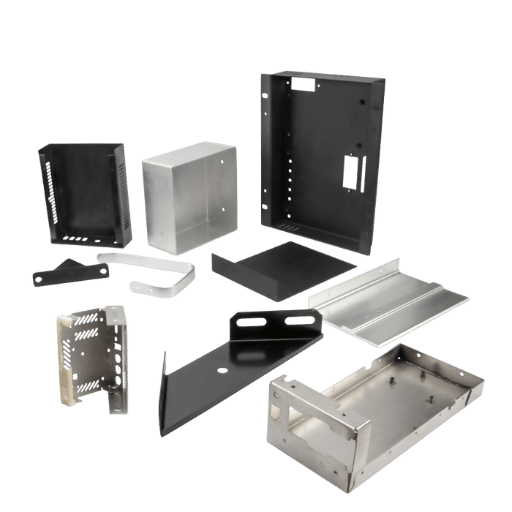
Material Selection and Sheet Metal Types
Material selections for sheet metal depend on strength, corrosion resistance, weight, and cost, with the common types being stainless steel, aluminum, carbon steel, and galvanized steel.
| Material Types | Strength | Corrosion Resistance | Weight | Cost |
|---|---|---|---|---|
| Stainless Steel | High | Excellent | Medium | High |
| Aluminum | Medium | Excellent | Light | Medium |
| Carbon Steel | High | Poor | Heavy | Low |
| Galvanized Steel | High | Good | Heavy | Medium |
Handling Complex Designs and Prototyping Issues
🔧Systematic Approach to Complex Designs
- Requirement Analysis: Thorough understanding of design requirements and constraints
- Stakeholder Feedback: Possible inputs from all parties in question
- Advanced Modeling: Using software for visualization and refinement of a concept
- Materials Selection: Select materials based on strength, weight, and cost
- Iterative Testing: Repeat the analysis until all problems are eliminated at an early stage
Quality Control in Metal Fabrication Processes
In metal fabrication, quality control ensures that the products meet the accepted standards of safety, reliability, and performance. This consists of periodic inspections, the testing of materials, and the observation of permitted tolerances.
✅ Quality Control Phases
Choosing the Right CNC Service Provider
Key Factors to Consider
🎯 Essential Selection Criteria
Technical Capabilities
- CNC turning and sheet metal fabrication services
- Capability to assess materials
- Capacity to handle complex designs
Quality Assurance
- ISO 9001 Certified
- Advanced inspection instruments
- Stringent Quality Systems
Operational Excellence
- Lead-time evaluation and balance for reach
- Cost-effectiveness
- Scalability for x volumes
Technology & Support
- State-of-the-art CNC machines
- Technical support
- Effectiveness of communication
Questions to Ask Potential Providers
❓ Important Questions Checklist
Frequently Asked Questions (FAQs)
Q: What is CNC sheet metal fabrication?
A: This operation in manufacturing is highly proficient in the custom fabrication of sheet metal parts using CNC machines. Fine detail and tight tolerance are possible, making it ideal for fronts of products in automotive, aerospace, or construction.
Q: How does sheet metal fabrication actually work?
A: The typical sheet metal fabrication process would be cutting, bending, and welding. Cutting is done on the metal sheets to the desired shape, and the best cutting tool is chosen depending on the stock and precision required, CNC plasma being highly recommended if fine cutting can be done, and a laser of some type being chosen in other cases. Then the parts are bent and formed into their correct geometry through sheet metal bending, and finally, they are welded for assembly or further processing.
Q: What metal materials are used for sheet metal fabrication?
A: Common sheet metal materials used in fabrication include aluminum, stainless steel, carbon steel, and copper. Each material bears special properties that make it suitable for specific applications. For instance, aluminum is very light and corrosion-resistant, whereas stainless steel exhibits superior strength and durability.
Q: What are the advantages of custom sheet metal fabrication?
A: The benefits of custom sheet metal fabrication encompass the ability to produce parts to specific requirements. The process allows manufacturers to produce shapes, intricate designs, and tight tolerances that standard parts cannot. It can also increase efficiency in production and lower the overall costs of cut parts.
Q: What is the role of CNC machines in metal machining?
A: The CNC machine offers major features for metal machining to cut and shape metal parts. The programmed instructions guide the machine to carry out all machining processes with high accuracy and repeatability. CNC technology prevents human errors and faster production cycles, and hence remains invaluable in any modern metal fabrication plant.
Q: What is the typical lead time for custom laser-cut parts?
A: Lead time will vary according to size, complexity, material availability, and volume, with typical lead times running from a couple of days to several weeks. You must communicate with the fabrication houses to give you an estimated lead time based on your actual project needs.
Q: Can CNC sheet metal fabrication produce parts with complex geometries?
A: Yes, thanks to the advanced technology of CNC machines, CNC sheet metal fabrication does produce complex engineering parts. The advanced functionality of CNC machines carries out complicated cutting and bending operations that enable manufacturers to design and make highly complex, custom parts that satisfy particularly strict engineering criteria.
Reference Sources
- Sheet Metal Supports: Design and Implementation
MIT DSpace
The project entails the hybridization of additive manufacturing and CNC sheet metal fabrication in the manufacturing of check fixtures. - CNC Machining | The John Olson Advanced Manufacturing Center
University of New Hampshire
This permits the explanation of CNC machining processes, including their application toward sheet metal fabrication. - Sheet metal

