


Anodizing is a process of excellence in manufacturing that imparts higher durability, corrosion resistance, and a distinct design into a metal part. Out of many types of anodizing, Type II and Type III are the most frequently applied methods, each giving a set of advantages fitting their particular use.
Introduction to Anodizing

Anodizing is an electrochemical process that increases and develops the naturally occurring oxide coating of the metal surface, primarily aluminum, to confer corrosion resistance, durability, and aesthetic qualities. Anodization involves putting a workpiece into an electrolyte solution and passing an electric current through it, wherein the anodic layer is uniformly grown under controlled conditions. Furthermore, this layer becomes an integral constituent of the metal, hardening it and reducing wear. Anodizing provides lightweight and weather-resistant finishes and finds wide application in aerospace, automobile, and architectural industries.
What is Anodizing?
Anodizing is a process that thickens the oxide layer on the surface of aluminum by controlled oxidation. It places the aluminum as an anode in an electrolysis bath with an electrolyte, usually sulfuric acid, through which the electric current is passed to effect electrochemical conversion. The conversion results in the formation of a thicker, more even aluminum oxide layer, which is bonded to the substrate and not an applied coating.
Benefits of anodization include the following:
- Superior corrosion resistance
- Enhanced wear and abrasion resistance
- Maintains the lightweight properties of metal
- Pores of oxide layers permit dyeing in various colors
- Wide options for aesthetic appearance
History and Development of Anodizing
Beginning in the early 20th century, the history of anodization began. The main concern was corrosion protection for aluminum. The process was patented by 1923 and mainly used for military purposes, like protecting seaplane parts from saltwater damage. By the 1950s, the anodizing process was further refined to allow for longer-lasting finishes and dye coloring. Since anodizing in addition to being functional, could also bring out the aesthetically pleasing characteristics found in aluminum, the process soon found acceptance in general commercial manufacture.
Importance of Anodizing in Metal Finishing
Anodizing is a crucial step in metal finishing since it improves durability, provides corrosion resistance, and beautifies metals, with aluminum being one of the prime examples. This process enhances hardness by creating a protective oxide layer on metal surfaces that protects them from weathering and harsh conditions. Moreover, anodized finishes are easy to maintain, eco-friendly, and can be customized for decoration through colors and textures, making them perfect for industrial and consumer applications.
Types of Anodizing

Overview of the Three Types of Anodizing
| Anodizing Type | Electrolyte Solution | Typical Thickness Range | Corrosion Resistance | Wear Resistance | Dyeing Capability |
|---|---|---|---|---|---|
| Type I | Chromic Acid | 0.5–2.5 microns | Excellent | Moderate | Limited |
| Type II | Sulfuric Acid | 2.5–25 microns | Very Good | Good | Excellent |
| Type III | Sulfuric Acid (Low Temp) | 25–100 microns | Outstanding | Outstanding | Moderate |
Type I – Chromic Acid Anodizing
In Type I anodizing, chromic acid serves as the electrolyte during anodizing. This process builds an oxide layer that is relatively thin, usually 0.00002 to 0.0001 inch thick (0.5 to 2.5 microns). A thinner and softer coating is usually considered best for aerospace areas and applications where any extra weight and the slightest change in dimensions are unacceptable. Type I also offers excellent corrosion resistance, especially on complex-shaped parts, as chromic acid solutions penetrate very well.
Environmental Note: Environmental regulations increasingly limit the use of chromic acid due to its high toxicity.
Type II – Sulfuric Acid Anodizing
Type II anodizing, with sulfuric acid as the electrolyte, is the most commonly used anodizing process across all industries. The oxide layer typically varies from 0.0001 to 0.001 inch (2.5 to 25 microns) thick. Type II balances cost-effectiveness with corrosion resistance and wear resistance. Moreover, it can be dyed into practically any color, making it suitable for components that are both functional and decorative in applications like automotive, consumer electronics, and architecture.
Type III – Hardcoat Anodizing
Type III, or hard anodizing, uses sulfuric acid at very low temperatures for thicker and more durable oxide layers. Oxide layers are usually 0.001-0.004 inch thick (25-100 microns), offering superior wear resistance and electrical insulating properties. Type III anodizing performs excellently in high-demand fields, such as military, aerospace, and heavy machinery, where extreme environmental and mechanical stress resistance are imperative. Due to the very dense structure of Type III anodized surfaces, they are normally left undyed, although they can be dyed if a specific aesthetic is desired.
In-Depth Look at Type II Anodizing
Being one of the most common forms of aluminum anodizing, Type II anodizing finds numerous applications in aerospace, automotive, building, and consumer sectors. The process uses an electrolyte containing sulfuric acid, which produces a relatively durable oxide layer upon the anodizing of aluminum alloys. The anodic layer of Type II anodizing is typically between 2.5 and 25 microns (0.0001″ to 0.001″) thick, providing good corrosion protection, wear resistance, and aesthetic features like dyeing ability.
Technical Process of Type II Anodizing
- Pre-Treatment: The aluminum goes through a cleansing and etching operation to remove surface impurities and achieve better uniformity.
- Anodizing: The sulfuric acid electrolyte bath is maintained at around 68-72°F (20-22°C) with a current density between 12 and 15 amps per square foot. These parameters produce optimal oxide layer formation.
- Post-treatments: Can be carried out to further improve the properties of the anodized parts, ensuring weather resistance and durability. Dyeing options after anodizing offer considerable room for aesthetic expression. Colors are then sealed, usually by hot water sealing or nickel acetate sealing, to enhance durability and lock the colors into the layer.
Performance Metrics
- Corrosion Resistance: Type II coatings can withstand 336-hour salt spray testing (ASTM B117) when sealed, providing protection in moderately corrosive environments.
- Wear Resistance: While less wear-resistant than Type III, Type II anodizing is suitable for moderately abrasive exposure conditions.
- Adhesion and Surface Quality: The oxide layer, with its microporous surface details, forms a good base for paints, adhesives, or other finishes.
Applications and Benefits
Type II anodizing is often used when appearance is a consideration, as it offers colors through dyeing, such as black, blue, gold, and red. Most commonly, it is selected for decorative applications that require moderate protection and a suitable finish:
- Consumer Goods: Smartphone cases, camera bodies, and cookware
- Aerospace: Interior components and brackets
- Architecture: Window frames and curtain walls
Exploring Type III Anodizing
As a hard anodizing process, Type III anodizing is concerned with manufacturing thicker oxide coatings on aluminum surfaces compared to Type II anodizing. The enhanced resistance to wear, abrasion, and corrosion provided by the coating makes it suitable for various high-tech applications in the aerospace, defense, and manufacturing sectors. Type III anodizing is ideal for application environments where enhanced durability is needed under severe conditions, such as high temperatures accompanied by heavy mechanical stresses.
Comparison of Type II and Type III Anodizing

Type II Anodizing
- Layer Thickness: 0.2-1.0 mils
- Temperature: 70°F-72°F
- Wear Resistance: Moderate
- Corrosion Resistance: Good
- Color Options: Vibrant
- Cost: Lower
- Applications: Decorative, electronics
Type III Anodizing
- Layer Thickness: 1.0-3.0 mils
- Temperature: ~32°F
- Wear Resistance: High
- Corrosion Resistance: Superior
- Color Options: Limited
- Cost: Higher
- Applications: Industrial, automotive
Benefits Comparison Table
| Parameter | Type II Anodizing | Type III Anodizing |
|---|---|---|
| Primary Benefit | Corrosion resistance | Wear resistance |
| Durability | Moderate | High |
| Thickness | Thin oxide layer | Thick oxide layer |
| Appearance | Can be dyed | Matte, limited colors |
| Electrical Insulation | Yes | Yes |
| Cost | Lower | Higher |
| Corrosion Protection | Good | Excellent |
| Abrasion Resistance | Moderate | High |
Choosing Between Type II and Type III for Your Project
Selection between Type II and Type III anodizing depends on the unique circumstances demanded by the application. Type II is ideal if cost is an important factor, making the process attractive for aesthetic and electronic applications. It’s the most economical anodizing option that can be dyed in numerous colors. For heavy-duty industrial or automotive applications, however, where corrosion and abrasion resistance must be paramount, Type III usually becomes the preferred option, regardless of being more costly or having fewer color choices.
Benefits and Applications of Anodizing

Advantages of Anodized Aluminum Coating
- Corrosion Resistance Enhancement: The anodization of aluminum nurtures the growth of an oxide layer, thereby greatly enhancing corrosion resistance against the environmental process.
- Surface Durability Improvement: Anodized layers protect the surface against wear, abrasion, or tear.
- Coloring Possibilities: Through porous anodized layers, dyeing can give virtually any color.
- Thermal and Electrical Insulation: Anodized aluminum, being non-conductive, finds use where thermal or electrical insulation is required.
- Environmental Advantages: Anodizing is an environmentally friendly process, producing little hazardous waste and recyclable products.
- Strength with Lightness: Adds strength and durability, working along with the lightweight characteristic of aluminum.
- Maintenance: Easy to maintain as anodized surfaces resist stains, scratches, and other forms of wear and tear.
- Enhanced adhesion: Post-anodizing provides better adhesion for paint, sealants, or adhesives.
- Extended Life: Better protection implies a reduced possibility of frequent replacement, hence a longer life for anodized aluminum.
Common Applications of Anodizing in Various Industries
| Industry | Applications | Key Benefits |
|---|---|---|
| Architecture | Facades, windows, and roofing | Weather resistance, aesthetics |
| Electronics | Heat sinks, enclosures | Corrosion resistance, insulation |
| Automotive | Trim, wheels, components | Lightweight, durability |
| Aerospace | Panels, structural parts | Strength, corrosion resistance |
| Consumer Goods | Cookware, sporting goods | Scratch resistance, aesthetics |
| Medical | Surgical tools, devices | Hygiene, corrosion resistance |
| Energy | Solar panel frames | Weather resistance, lightweight |
| Defense | Weapons, gear | Durability, environmental resistance |
Environmental Benefits of Anodizing Processes
- Making Art of Nature and Environment-Friendly: No heavy metals or VOCs are involved in anodizing, which brings about a higher degree of safety for the manufacturers and the environment.
- Less Waste: The nodizing process is one that hardly emits any waste, and most materials it generates are either recycled or separately disposed of by safety standards.
- Energy Saving: Anodizing is among the least energy-intensive processes of metal finishing and has a much lower carbon footprint.
- Ecologically Friendly: Anodizing renders materials corrosion-resistant to impart durability with fewer environmental impacts through reduced resource use and less waste generation.
- Water Conservation: Most modern anodizing plants are equipped with water recycling and reuse units working on a closed-loop system.
- Recycling Potential: Anodized aluminum and other metals can be fully recycled without losing any material property, further supporting the circular economy.
- Conforming to Regulations: Anodizing obeys strict environmental regulations of the world, ensuring industrial processes are safe and sustainable.
Anodizing Color and Dyed Anodizing

Understanding Anodizing Color Options
Various colors can be achieved by adding dyes or using electrolytic coloring techniques. The most common colors include black, bronze, gold, and silver, while bright colors like red, blue, and green can also be obtained. The color selection depends upon the dye being used and the anodizing method adopted. Alternatively, a crystal clear, natural finish can accentuate metal texture while providing a hard, protective coating. The enormous choice of colors makes anodized finishes highly functional for artistic applications.
The Process of Dyed Anodizing
- Cleaning and Etching: The metal surface is cleaned and etched to eliminate unwanted impurities and for surface cleanliness.
- Anodizing Process: The metal is immersed in an electrolyte solution and subjected to an electric current in order to develop a thick porous oxide layer on the surface.
- Dyeing: After the oxide layer is formed, the metals are placed inside a dye bath wherein the pores of the oxide absorb the dye.
- Sealing: The pores are closed through heat or chemical treatment to give further durability and wear resistance to the colored finish
Anodizing colors enhance product aesthetics by providing colors and finishes that are both beautiful and durable. The precision of color application aids in product consistency and design customization, enhancing aesthetic appeal and supporting branding through specific color schemes. The resistance to fading maintains product beauty throughout years of use, benefiting consumer applications, architecture, and industrial design.
Future Trends in Anodizing
Recent Innovations in Anodizing Methods
Recent innovations in anodizing include environmentally friendly processes, Pulse Current Anodizing (PCA), and Plasma Electrolytic Oxidation (PEO), which enhance corrosion resistance while promoting sustainability.
Impact of Technology on Anodizing
Technological improvements have reaffirmed and made anodizing more efficient and sustainable. Automatic digital monitoring systems for quality control reduce defect rates while providing speedy production, able to give stronger surfaces at low energy costs through processes of Pulse Current Anodizing (PCA) and Plasma Electrolytic Oxidation (PEO), thereby supporting environmental objectives. The technological landscape would remain the leading factor driving the anodizing process to adapt in evolving industries with requirements as reliable, inexpensive, and environmentally friendly.
Future Predictions for Anodizing in Manufacturing
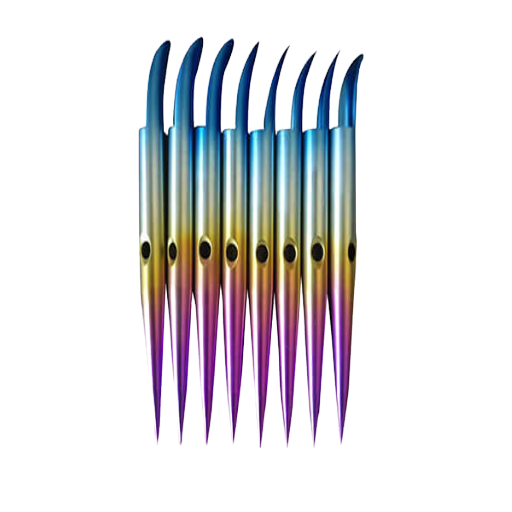
The future of anodizing in manufacturing shows promising growth, with markets such as anodized titanium and metal anodizing expanding significantly alongside enhanced demand and technological advances.
Conclusion and Key Takeaways

Key Points to Remember about Types of Anodizing
| Type | Oxide Layer | Corrosion | Wear | Color Options | Applications |
|---|---|---|---|---|---|
| Type I | Thin | High | Low | Limited | Aerospace, thin parts |
| Type II | Medium | Moderate | Moderate | Wide range | Industrial, consumer |
| Type III | Thick | Very High | Very High | Limited (dark) | Machinery, military |
Actionable Tips for Choosing Anodizing Processes
- There should be a consideration for application requirements: Define what your specific application calls for. Type II is for general industrial or consumer applications; Type III is for military and heavy-duty machinery.
- Evaluate Durability Needs: Base your decision on the requirements for wear-resistance and hardness. Type III for extreme hardness and abrasive use, dye-anodizing for aesthetic purposes.
- Assess Aesthetic Demands: For bright or rich colors, dye-anodizing or titanium anodizing must be chosen.
Identify Environmental Conditions: In a severe environment such as aerospace or military fields, materials of the greatest resistance are preferred. - Consult Coating Thickness Requirements: The thinner coatings are used for those applications where weight is an issue, whereas thicker coatings are necessary in abrasive environments.
- Make Sure of Surface Preparation Compatibility: Phosphoric anodizing is very good for adhesion to next coatings.
- Check Standards and Safety Regulations of Industry: The chosen anodizing process must be checked to meet the obligatory standards of your industry.
- Balance Costs and Performance: Budget rules can hold sway, but functional and aesthetic requirements should never be compromised.
Frequently Asked Questions (FAQs)
Reference Sources
1. Mitochondrial Redox Balance of Fibroblasts Exposed to Ti-6Al-4V Microplates Subjected to Different Types of Anodizing
- Authors: A. Zalewska et al.
- Published in: International Journal of Molecular Sciences, August 1, 2023
Key Findings:
- Study on the effects of hard-anodized and standard-anodized Ti-6Al-4V alloy discs on fibroblasts.
- Hard-anodized titanium discs caused oxidative stress to the fibroblasts; however, type II anodization prevented alterations in mitochondrial complex II activity and apoptosis.
- Titanium-, aluminum-, and vanadium-ion release was greater from hard-anodized disks, but it decreased over time.
Methodology:
- Culturing of fibroblasts on titanium discs for different durations (24 hours, 7, 14, 21 days).
- Isolation of mitochondria to assess cytotoxicity, mitochondrial function, and redox balance.
2. Recovery of Different Types of Hydroxyapatite by Precipitation of Phosphates of Wastewater from Anodizing Industry
- Lorena Delgadillo-Velasco et al.
- Published in Journal of Cleaner Production, January 1, 2020
Key findings:
- The study deals with recovering hydroxyl apatite from wastewater from anodizing processes.
- The paper presents the possibility of recycling waste generated from the anodizing process into more valuable products.
Methodology:
The research was carried on through precipitation methods to recover hydroxyapatite from the wastewaters and assessed the efficiencies of these different methods.
Resources for Further Learning on Anodizing
| Resource Type | Description |
|---|---|
| Comprehensive Guide | Detailed anodizing insights |
| Reference Guide | Mechanical & chemical processes |
| E-learning | Self-paced anodizing training |
| Online Course | Professional anodizing education |
| DIY Guide | Home anodizing steps |
Final Thoughts
Understanding the differences between Type II and Type III anodizing allows wiser decisions in manufacturing and engineering applications. While Type II anodizing is highly versatile and economical, especially for decorative and moderate-duty applications, Type III anodizing offers much higher durability and wear resistance, making it suitable for more heavy industrial requirements. Anodizing should always be selected based on the performance needs, environmental factors, and costs.
As time progresses, modifications in anodizing processes have made them more environmentally friendly, more efficient, and thus a more appealing choice for sustainable manufacturing practices. Whether in aerospace, automotive, electronics, or consumer goods, the right anodizing selection considerably enhances aluminum components’ lifespan, performance, and visual appeal.

