


Metal fabrication and bending hold a fundamental place within innumerable industries and are essential for creating everything from delicate machine components to large structural frameworks. Being a crucial field, with the further evolution of technology and engineering, so have the methods and tools used in sheet metal fabrication processes.
Introduction to Metal Fabrication and Bending
Metal fabrication and bending are essential processes in modern manufacturing, involving the formation, cutting, and shaping of metal into structures or components as needed. The methods perform their work through the use of various tools and machines, including bending machines, presses, rollers, and cutting devices, all working toward the exact design desired in sheet metal fabrication processes.
Metal fabrication is a generic term for methods of fabrication, such as welding, cutting, and assembly. Bending, on the other hand, deals with deforming metals in sheet or bar form to specific angles or curves without interrupting their continuity. These two processes are primary to the construction, automotive, aerospace, and technology industries, enabling the creation of sturdy, functional, and customized metal products.
Overview of Metal Fabrication
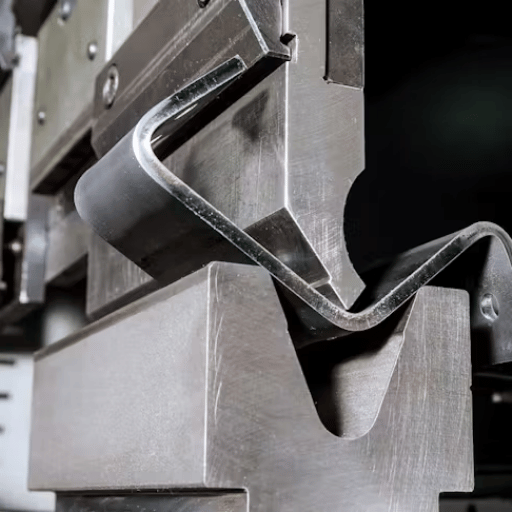
Metal Fabrication Process
Fabrication is the process of turning raw metal materials into finished products or components. They are produced to give the design and functional requirements. Cutting, bending, welding, and assembling are the primary operations involved in metal fabrication, all working together to make metals into functional forms.
It finds use in construction, manufacturing, and aerospace industries where powerful and customized products are required. Precision and efficiency are the hallmarks of the entire metal fabrication process, ensuring the output conforms to concrete designs and high-quality standards.
Importance of Metal Bending
Metal bending is crucial during fabrication, as it involves shaping raw stock into usable parts for specific applications. This allows angles and forms to be created where they are required for conforming to strength or design aesthetics.
While metal bending allows components to take on various shapes and dimensions, it ensures they meet specifications, resulting in the construction of solid and dependable products in industries such as construction, automotive, and aerospace.
🔑 Key Terms and Concepts
Latest Techniques in Metal Bending
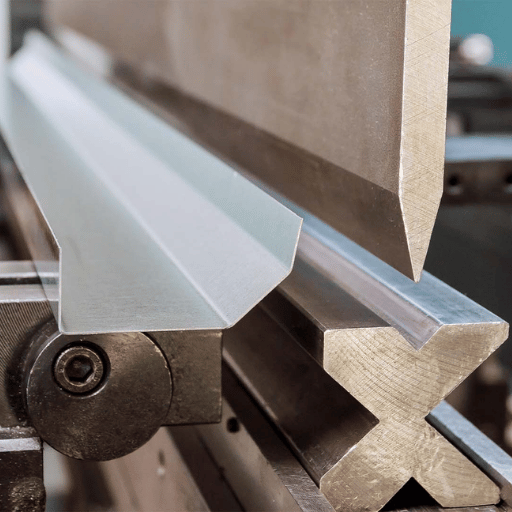
🚀 Innovative Bending Methods
With the passing of time in technology, modern bending methods of metals attained unprecedented precision, speed, efficiency, and therefore became the choice for higher quality outputs in some older demands of complex manufacturing.
CNC Bending
This type of bending uses automated machines to control precisely the angle of bend, the radius, and the consistency between pieces. In CNC bending, the chances of human error are extremely minimized; it is suitable for larger production runs requiring very tight tolerances.
Laser-Assisted Bending
Laser-assisted bending heats the material at the point where the bend is to be applied so as to reduce the force needed to bend the material and also the stress due to bending applied to the work. Improved surface integrity of materials and control of deformation up to 35%.
Incremental Sheet Forming
Stepwise deformation of the sheet by means of localized tools enables production of complex geometries without the need for expensive dies. Highly flexible and cost-effective for small batch production.
AI-Powered Simulation
The force application is forecasted through predictive analytics along with material and dies configuration under suitable operational parameters of the PAM disturbances to reduce the production cycle time by as much as 20-30%.
⚡ Laser Cutting and Its Impact on Bending
Laser cutting has revolutionized the world of sheet metal fabrication by conferring exactness, repeatability, and efficiency, albeit these very factors influence the bending process. An advanced laser cutter with a tolerance of ±0.1 mm would produce a flawlessly clean cut edge with minimal burrs, resulting from an acceptable amount of heat distortion.
📊 Key Benefits:
- Improved edge preparation reduces material fatigue and cracking by up to 15%
- Fiber lasers increase throughput in cutting operations
- Seamless integration into bending workflows reduces bottlenecks
- Tighter tolerances in final assemblies for aerospace and medical applications
🔧 Brake Bending Techniques Explained
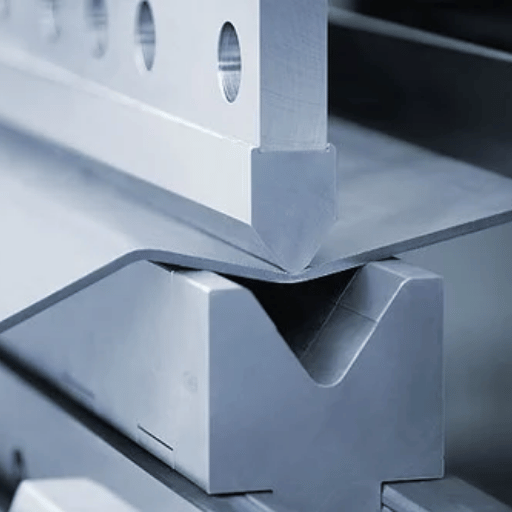
Brake bending, a core process in metal fabrication, involves shaping sheet metal by pressing it into a die using a punch. This process can be executed using various methods, depending on the desired outcome and material properties.
Air Bending
Most versatile and common technique
- Sheet metal doesn’t make full contact with die
- Greater flexibility in achieving range of angles
- Energy-efficient, requires less force
- Suitable for high-mix, low-volume production
Bottom Bending
Higher precision forming
- Sheet metal pressed firmly against die
- Requires greater force but offers precision
- Limited flexibility without changing tooling
- Effective for consistent repetitive production
Coining
Ultimate precision technique
- Sheet metal pressed fully into die at high pressure
- Requires significantly higher tonnage
- Unmatched accuracy with minimal springback
- Used in aviation and medical manufacturing
💡 Advanced Technology Integration
Current advances in machine learning and CNC control systems optimize these techniques by automatically adjusting parameters like pressure, punch speed, and alignment. Real-time feedback sensors measure material behavior during bending, with studies showing sensor-aided bending reduces defect rates by up to 40%.
Common Challenges Faced in the Industry
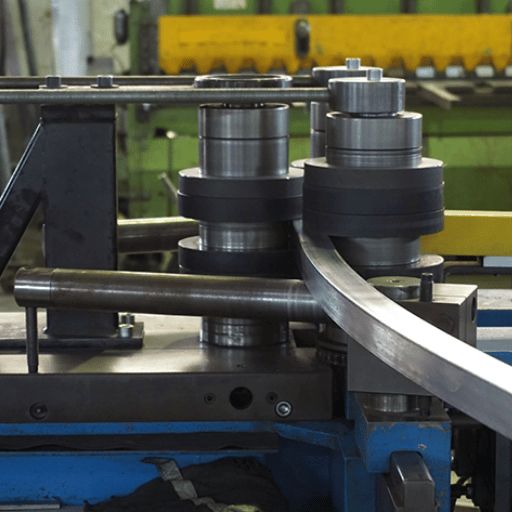
⚠️ Identifying Issues in Sheet Metal Bending
Springback
Metal tends to return partially to its original shape after bending, affected by material properties such as elasticity and yield strength, leading to inaccuracies in forming.
Uniformity Issues
Maintaining consistent bend angles when working with varying material thicknesses or hardness. Variable tensile strength across sheets causes inconsistencies.
Tooling Wear
Wear and misalignment in tooling—punches and dies—negatively influence precision and compromise product quality, particularly in high-volume production.
Cracking Issues
Frequent issue especially with brittle materials or sharp bend radii. Requires proper selection of tooling radii and pre-conditioning techniques.
✅ Solutions & Technologies
- 🔬 Finite Element Analysis (FEA) – Predict and mitigate cracking occurrences
- 🤖 CNC-controlled press brakes – Automated alignment sensors for accuracy
- 📊 Adaptive bending technologies – Real-time adjustments for tighter tolerances
🔬 Material Limitations and Solutions
🧬 Advanced Engineering Solutions
- Material Selection Algorithms: Predictive simulations for optimal material choice
- Finite Element Analysis (FEA): Precise insights into material limitations under various conditions
- Surface Treatments: Laser or plasma-assisted treatments for enhanced wear resistance
🎯 Quality Control in Metal Fabrication
It is very important to incorporate quality control in metal fabrication systems to ensure reliable and efficient production processes. Adhering to very high industry standards ensures consistency and reduces manufacturing defects.
Standards Compliance
- ISO 9001
- AWS D1.1
- Industry-specific requirements
Testing Methods
- Ultrasonic testing
- Magnetic particle inspection
- Radiographic testing
Advanced Technologies
- Laser-based measurement tools
- Digital twin simulation
- Statistical process control (SPC)
📈 Impact of Automation
Companies adopting an automated quality control system experience a 30% reduction in defect rates, along with additional cost savings and a more efficient project schedule.
Design Considerations for Sheet Metal Fabrication
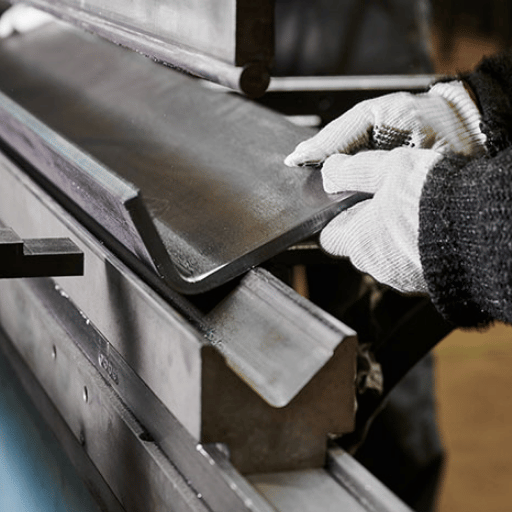
🔩 Understanding Types of Sheet Metal
Steel
Applications: Construction, automotive, industrial
- Stainless steel: Corrosion resistant
- Galvanized steel: Zinc-coated protection
- Carbon steel: High strength applications
Aluminum
Applications: Aerospace, transportation, consumer products
- Lightweight properties
- Highly corrosion resistant
- Excellent machinability
Copper
Applications: Electrical components, roofing
- Excellent electrical conductivity
- Superior thermal conductivity
- Antimicrobial properties
Brass
Applications: Decorative, industrial components
- Copper and zinc combination
- High malleability
- Corrosion resistant
📐 Designing for Bend Sheet Metal
Bend sheet metal design involves considering material behavior and fabrication restrictions to ensure that the product can function and be manufactured.
🎯 Primary Design Considerations
Bend Radius
Minimum bend radius should be maintained equal to or more than the material thickness to avoid cracking or to compromise on structural integrity.
K-Factor
Utilize a suitable K-factor to consider stretch in the material during bending; this will affect the amount of bend allowance and thus determine the final dimensions.
Bend Direction
Bend the metal sheet preferably along the direction of the grain to prevent fractures or weaknesses.
Hole Placement
Holes and cutouts should be installed at least twice the material thickness away from a bend to avoid distortion or failure of the material.
Material Springback
Always consider the springback when designing acceptably sharp angles, especially with elastic materials.
⚙️ Custom Metal Fabrication Considerations
🎯 Key Success Factors
Material Selection
Align material properties with application requirements:
- Stainless steel: Moisture-prone environments
- Aluminum: Aerospace and automotive (lightweight)
- Carbon steel: High-strength applications
Precision & Tolerances
Modern manufacturing capabilities:
- Laser cutting: ±0.005 inches
- Waterjet cutting: High precision
- CNC machining: Tight tolerances
Finishing & Coatings
Enhance durability and appearance:
- Powder coating: Uniform, eco-friendly finish
- Anodizing: Enhanced corrosion resistance
- Galvanizing: Long-term protection
Cost & Scalability
Optimization strategies:
- Simulation software: Predict material utilization
- Early planning: Scalability considerations
- Process efficiency: Reduce waste and costs
Future Trends in Metal Fabrication and Bending
🚀 Emerging Technologies in the Industry
Advancements in technology are continuously transforming the metal fabrication and bending industry, driving efficiency, precision, and sustainability.
🤖 AI & Machine Learning
- Predictive analytics for maintenance scheduling
- Optimize machine performance
- Reduce operational downtime
- Real-time defect prediction
🦾 Automation & Robotics
- Intricate bending and welding tasks
- Greater accuracy and speed
- Minimized human error
- Enhanced production scalability
🖨️ Additive Manufacturing
- Direct metal laser sintering (DMLS)
- Complex geometries with reduced waste
- On-demand manufacturing
- Decreased lead times and inventory
👥 Digital Twins
- Virtual replicas of physical equipment
- Simulate and optimize processes
- Proactive problem-solving
- Design for scalability
🔬 Advanced Materials
- High-strength alloys
- Nanotechnology-based metals
- Superior durability and thermal resistance
- Lightweight profiles for aerospace
🌱 Sustainability in Metal Fabrication
A vital issue in sustainability for the metal fabrication industry is the need to limit the impact of its activities on the environment while also striving to remain productive and competitive.
⚡ Energy Efficiency
- Modern laser cutting technology in use is very energy-efficient
- Optimized production processes
- Renewable energy integration (solar, wind)
- Reduced carbon footprint of operations
♻️ Material Recycling
- Steel recycling rate: Over 85%
- Reduced virgin material extraction
- Conservation of natural resources
- Circular economy strategies
🎯 Cleaner Production
- Waste stream reduction
- Raw material usage optimization
- End-of-life disassembly design
- Net-zero carbon targets alignment
📊 Impact & Benefits
Low-carbon production methods in transition impose significant reductions in greenhouse gases while catering to consumer demand and enabling manufacturers to achieve long-term cost savings.
🤖 The Role of Automation in Metal Bending
Automation has changed everything in the metal-bending industry by enhancing precision, efficiency, and scalability.
🎯 Precision & Accuracy
- CNC machines: Accuracy within microns
- Advanced algorithms: Complex design adaptation
- Sensor technology: Real-time adjustments
- Minimal human error: Consistent quality
📈 Productivity Gains
- 30% increase in throughput reported
- Continuous operation capability
- Faster cycle times than manual processes
- Reduced lead times for customers
👨💼 Workforce Benefits
- Labor shortage mitigation: Automated repetitive tasks
- Safety improvement: Reduced physical demands
- Skill enhancement: Focus on complex operations
- Job evolution: Higher-value activities
💡 Smart Integration Features
Integrated software solutions provide real-time monitoring and diagnostics, enabling manufacturers to optimize performance, reduce downtime, and ensure higher consistency and quality in output for application stacks such as automotive, aerospace, and construction.
Frequently Asked Questions (FAQs)
❓ What is the metal fabrication process?
Metal fabrication employs various methods to shape metal parts, including cutting, bending, and welding. It involves the manufacture of custom metal items for use in multiple industries.
🔧 What are the different sheet metal bending techniques?
Typical sheet metal bending processes include air bending, wipe bending, and rotary bending. Each process is modified according to the angle and radius of the required bend.
📏 How do I determine the material thickness for sheet metal fabrication?
The thickness of the material to be used for sheet metal fabrication depends on the project’s bending needs and the type of bending machine used. Thicker materials are generally heavier, whereas thinner materials are more suitable for better bending, considering the design.
⚙️ What is the difference between custom sheet metal fabrication and standard fabrication?
Custom sheet metal fabrication refers to creating unique parts tailored to specific requirements, whereas standard art refers to using a pre-existing design. Custom fabrication often needs intricate considerations in design and implementation techniques.
🛠️ What tools are commonly used in the sheet metal cutting process?
Names for standard cutting processes include plasma cutting, laser cutting, and shears. Every method has its perks and is selected depending on the material being cut and its thickness.
🔄 How does the bending process affect the springback of metal parts?
During the bending stage, several factors can influence the springback of bent parts. Techniques like bottom bending allow for less springback compared to several other methods, so the final product is closer to the desired angles.
🏭 What are the benefits of using a fabrication shop for metal bending projects?
A fabrication shop has a gamut of interrelated factors to consider. For example, skilled sheet metal fabricators are involved, along with advanced machinery. This guarantees excellent outcomes while working on bending and forming tasks. They will efficiently perform any sheet metal request on demand.
📐 What should I consider when designing a sheet metal part?
When designing a sheet metal part, it is essential to consider bend lines, k-factor, the type of material, and the manufacturing process. Adequate design can reduce waste and build something that fulfils functional specifications.
🔥 How are sheet metal components prepared for welding?
For welding preparation, sheet metal components should have clean edges, proper alignment, and appropriate material thickness. Such preparations will ensure a good weld and maintain the quality of the final assembly.
👨🔧 What is the role of a sheet metal fabricator in the fabrication process?
A sheet metal fabricator transforms raw sheet metal into finished products. The various methods of fabrication include cutting, bending, and welding, to make components according to client specifications.
🎯 Conclusion
Metal fabrication and bending are always evolving with the progression of technologies, giving industries efficiency, precision, and sustainability. With the increasing new CNC systems and methods coalesced with lasers, AI-powered optimization, and automation, the future looks bright for greater manufacturing capabilities. As businesses demand increased precision, lower costs, and greener processes, it is wise to stay informed about emerging technologies and techniques in the metalworking industry.
📚 Reference Sources
- SHEET METAL WORKING: An exhaustive reference text for academic purposes on sheet metal cutting and forming, offered by Michigan State University.
- Sheet Metal Fabrication Guide: A Complete guide on the sheet metal fabrication process, cutting, bending, and assembling methods.
- Custom Aluminum CNC Machining Service from China
- Sheet metal – Industry standards and best practices documentation

