


In many industries, aluminum appears as mill finish aluminum, a high-grade material, very broad in its applicability. While surface finishing is the more attractive or presentable attribute, it may not be the case in this context, and few applications might indeed be a concern instead. We write this per the distinctive features of the mill finish aluminum; the significant benefits are broken down in consistency with each application, where it is the most significant contributor, and thus the easy to find advantages.
The Basics of Mill Finish Aluminum

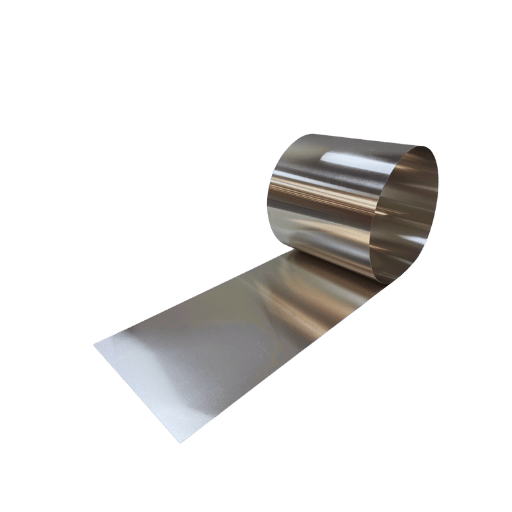
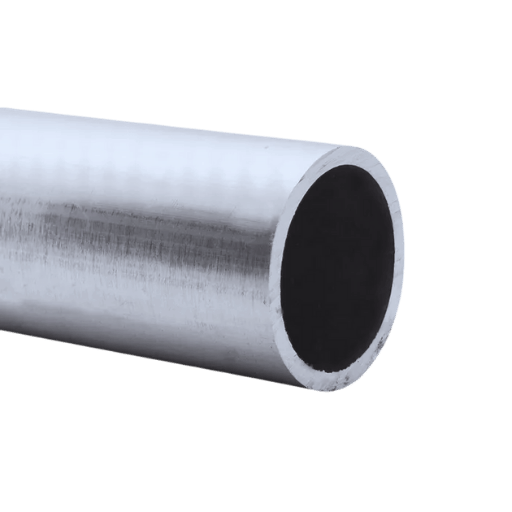
The term mill finish aluminum indicates the presence of an aluminum alloy in its raw form, straight after it emerges from the roller or extrusion press, or out of a casting vessel. Its surface is relatively smooth, although it may bear some minor imperfections due to its manufacture.
Definition and Production Methods
Mill finish is the term used to refer to raw aluminum that has not undergone any additional processing; that is, how the aluminum appears after being shaped through the use of various means, like rolling or extrusion. This surface condition is in its pure form, indicating some default patterns of the base product, demonstrating some artifacts in its processing.
Method of production:
- Rolling: Compression of aluminum into batons or foils
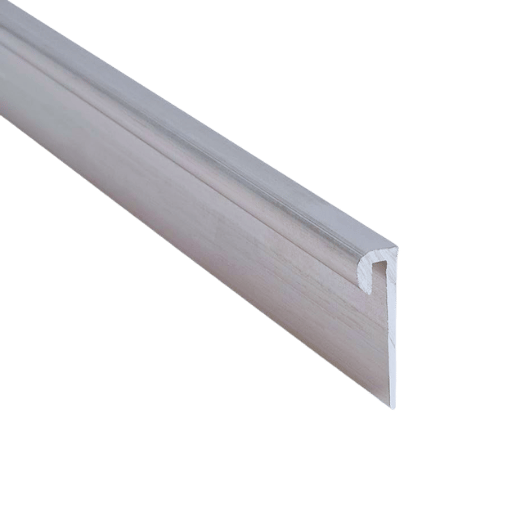
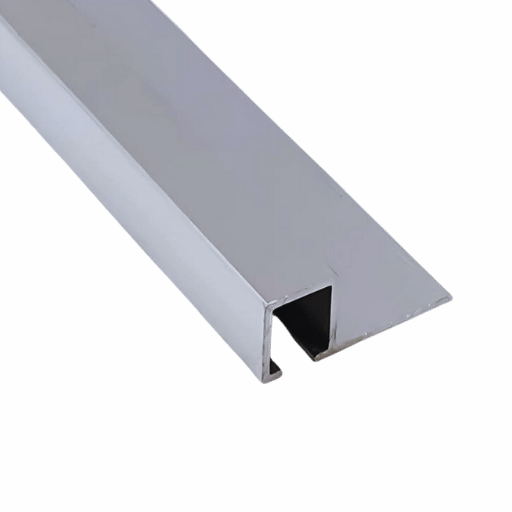
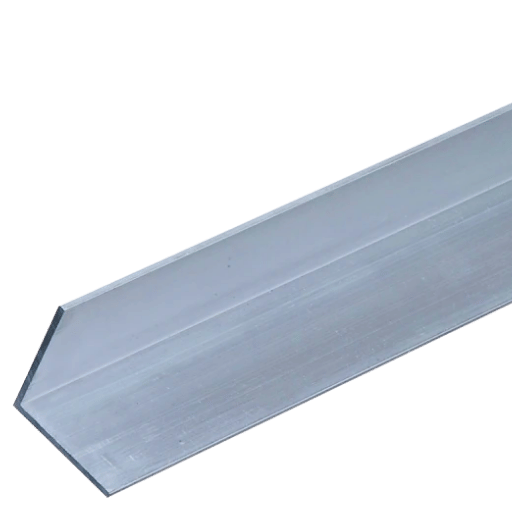
- Extrusion: This is the process of squeezing aluminum through special orifices to manufacture profiles
- Casting: Molten aluminum is poured and shaped into an in-mold conformation and structure
Key Characteristics of Mill Finish Aluminum
🎨 Aesthetic Naturalness
Exhibits naked, uncoated mill finish aluminum with minor non-uniformities resulting from the manufacturing process.
✨ Optical Qualities
Such metals are ideally suited for applications involving the management of heat and light.
🛡️ Non-Perishability
Aluminum has corrosion resistant qualities because corrosion cannot induce further changes beyond an oxide layer.
💰 Economical
Does not require extra coats, thereby minimizing machining costs.
🔧 Flexibility
Mill finish aluminum is available for working and surface treatments afterwards, such as painting or anodizing.
Mill Finish vs. Treated Finishes Comparison
Advantages and Disadvantages Analysis
✅ Advantages
- Affordability: Cheap and does not require any extra treatment such as coatings
- Flexibility: Can be bent, welded, or even clarity-crafted for many purposes
- Additional Treatment: Can be painted or even anodized when the situation necessitates
- Illumination: Although the main concentration should touch on constructing materials
⚠️ Disadvantages
- Corrosion Susceptibility: Susceptible to rusting under extreme conditions
- Surface Damage: Greater tendency to acquire indentations and changes of surface outlines
- Environmental Sensitivity: Exposed to high and low temperatures and sunlight
- Aesthetic Limitations: The Build remains rough due to the soft nature of the material
🎨 Aesthetic Limitations
Mill-finished aluminum usually has a dull, unpolished look with manufacturing defects that can clearly be seen. Without any protective coatings, the material can be discolored or stained quite easily over time, restricting its use when more aesthetic projects have to be done.
Industry Applications
🏗️ Construction Applications
Window Frames
This material, being very lightweight and allowing for simple manufacture, makes it suitable for buildings as main window components.
Roofing Systems
Excellent strength and weight for roofs, whether they are used in residential houses or commercial buildings.
Gutters & Downspouts
Durable and can withstand storms without falling out or being exposed to the sun, it is suitable for drainage works.
Wall Covering Panels
Inexpensive but strong enough to cover walls and facades.
Scaffolding Components
Low weight and strength also facilitate easy transport as well as the installation of different scaffoldings.
🚗 Automotive Industry Applications
- Body frames: Its lightweight and anti-corrosion tendency also assist in increasing the fuel economy of the vehicle, as well as its lifespan
- Engine body: The high thermal conductivity of this material makes it an appropriate material for the cylinder head and the heat exchanging component
- Wheel and rims: The resistance, as light as possible, of the wheels of the vehicles, is of benefit in this case
- Electricity: The material aluminum has such properties as good conductivity and oxide, which makes it good for use in the manufacture of wires and electric casings
🏭 Manufacturing and Other Industries
The construction of machinery, while focusing on being lightweight and durable, prompts use of aluminum as an important material for tools and equipment. The material is widely employed in other applications where packaging (can or foil) needs enhancement of recyclability aspects and preservation of contents. Due to its flexible nature, the material is useful in other figures like aerospace, construction, and even consumer goods.
Finish Comparisons
Mill Finish vs. Anodized Aluminum
Painted or Powder-Coated Aluminum
Aluminum with a dense coat of paint or covers with powder looks much better than mill finish aluminum and is resistant to rust and scratches. The coating methodology enhances protection against natural weather.
🎨 Painted Finishes
The availability of a wide range of decorative colors and finishes.
⚡ Powder Coating
Uniform strong layers exist even in reduced levels of environmental pollution (lower content of VOCs in the atmosphere).
Maintenance Best Practices
🧽 Cleaning and Care Instructions
✅ Do’s
- Use a soft cloth dipped in warm, soapy water
- Rinse off any soap and dirt with fresh water
- Ensure microfinish alloy is completely dry after cleaning
- Use a little vinegar to remove stubborn stains
❌ Don’ts
- Abrasives and bleach are to be avoided
- Steel wool is not to be used
- No harsh chemicals should be used
- No liquids should be left on the surface
🛡️ Oxidation Prevention Techniques
- Protective Coatings: Paints, sealants, and specialized coatings should be applied to prevent contact with air and moisture
- Climate Control: Storage should be done under moderate humidity and if required, climate-controlled facilities can be used
- Choice of Materials: Use oxidizing-resistant metals in places where oxidation is possible
- Periodic Care: All surfaces must be cleaned as often as possible to take out dirt, salt, and other solid waste
📦 Proper Handling and Storage
Handle with Care
Raise the excessive engagement in transportation by reaching out for help
Regulated environment
Keep within an uncontaminated space where there is minimal fluctuation in both temperature and moisture
Correct Marking
Mark out these commodities properly so as to avoid damage and contamination
Frequent check
Check stored goods strategy have any damages due to wear and tear changes in the environment aswell
Latest Trends and Innovations
♻️ Sustainability in Aluminum Production
Sustainability in aluminum production has advanced greatly, and the development of enterprises and technology has given impetus to such changes.
🌱 Major Sustainability Enhancements:
- Energy Efficiency – Use of renewables for energy in smelting
- Advanced Recycling – New methods require very low energy in comparison with virgin aluminum
- Cleaner Production – New technology reduces greenhouse gas concentration
- Resource Efficiency – Further included in the reductions of environmental burden, resources
🔬 Technological Advancements in Manufacturing
🤖 Automation & AI
A combination of robotics with artificial intelligence enhances industrial processes and minimizes errors in operations.
🧪 Advanced Materials
Novel composites and low-density alloy systems offer high performance and efficiency.
📊 Intelligent Manufacturing
Operational performance, equipment condition, and operational disruption management are addressed using data analysis and internet-enabled devices.
📈 Emerging Applications and Market Trends
🚀 Recent Developments
- Robots and Automation: Increased accuracy in monotonous operations
- Prescriptive Maintenance: The use of Internet of Things sensors to reduce breakdowns
- Additive Manufacturing: Significant reduction in cost for making intricate parts
📊 Developments in the Market
- Sustainability Solutions: Enhancing equipment and use specifications as per the law
- Paperless Systems: Use of remote resources to ensure flexibility in operations
- Aggressively Innovating: Gaining global competitiveness
Frequently Asked Questions
❓ What is mill finish aluminum?
There is no treatment or coating ever applied over the mill-finished series aluminum after extrusion. It stays uncoated, showcasing the unfinished, clear appearance of aluminum.
❓ What is the difference between an aluminium mill finish and an anodized finish surface?
Mainly the surface treatment, the mill finish aluminium is not protected by any layers, whereas the aluminium which has been anodized goes through an electrochemical oxidation process to form hard oxide films that improve the appearance and corrosion resistance.
❓ Can you protect aluminum mill-finish against corrosion?
Though mill-finished aluminum does not bear any anodic film like that of anodized aluminum, it is capable of forming an aluminum oxide lattice when left uncoated for a particular period, which tends to hinder the occurrence of rust to a certain extent, although not to the extent of an anodized finish.
❓ Can mill-finished aluminum be used outside?
Mill finish aluminum is appropriate for outdoor usage, yet it is recommended to put a coat on it to avoid environmental damage as well as retain its look for a substantial period.
❓ Is it possible to paint or coat mill-finished aluminum?
Yes, it is possible to paint or coat mill finish aluminum; however, the surfaces need to be prepared thoroughly in order to achieve proper adhesion, as there is no other protective layer available, unlike anodized aluminum.
❓ What is the best finishing option for my aluminum applications?
Lastly, look at the installations, expectations, or purpose. For the best strength, once again we would use anodized rafts; for this case, however, the recommended mill finish would be applicable as working fiber. Cannot elaborate due to statistical data.
Reference Sources
1. Academia.edu: Environmental product declaration for anodized, painted, and mill-finished aluminum extrusions.
2. Aluminium
3. Metal
4. Coating
Key Takeaways
💰 Economical
It is cost-effective in terms of various applications and does not require any further treatment of application.
🔧 Adaptable
Easily fabricable if necessary, and in case of need suitable for further treatment.
⚠️ Consider Limitations
Aesthetic and environmental conditions need to be considered in the choice.
Mill-finish aluminum is one of the most widely selected materials by numerous manufacturers for its application in varying industrial fields. Making this selection, the professionals should be aware of its properties, pros, and cons, depending upon whether it suits their purposes.

