


CNC Plastic Milling Services: Precision Machining for Custom Plastic Parts
The process of producing custom plastic parts has a precision and efficiency imperative. CNC plastic milling services are modern machining and lab testing tools portraying supreme accuracy and consistency in producing parts tailored to fit precise requirements. CNC milling technology offers sufficient versatility and performance upon scaling from prototypes to production for more specialized and demanding applications.
Introduction to CNC Plastic Milling
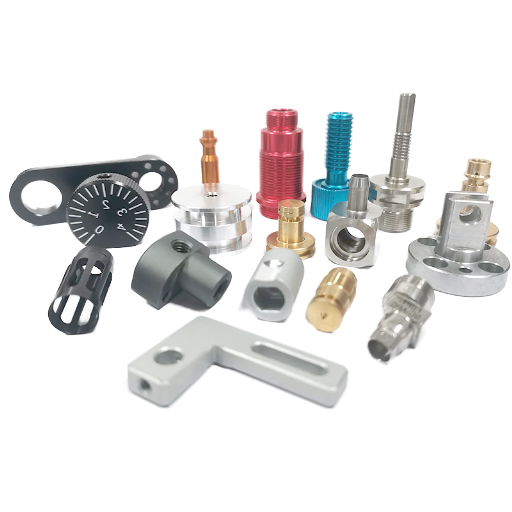
CNC plastic milling is a subtractive process involving computer numerical control machines that precisely remove material from the plastic workpiece to obtain the preferred shape or part. In other words, it is the process by which materials are removed to form a desired shape or part with the advantage of high accuracy, to be cost-effective for either prototyping or production machine production, with the possibility of producing highly complex geometries with tight tolerances.
Key Benefits at a Glance:
- Works with the entirety of plastic materials, including ABS, polycarbonate, acrylic, and PEEK.
- Suitable for the automotive, aerospace, and medical industries.
- Increased precision and power provide greater efficiency in manufacturing.
What is CNC Plastic Milling?
In CNC plastic milling, the manufacturing process involves the use of pre-programmed computer software that controls the movements of precision machinery so that components may be cut, shaped, and produced from plastic materials. It is by cutting away material from a plastic workpiece using a rotating cutting tool that this subtractive manufacturing process obtains the required geometry with utmost precision and repeatability.
Industry Applications:
More and more CNC plastic milling is being used in industries such as automotive, aerospace, and medical because it offers speedy solutions for both prototyping and production at an affordable price. Through better software integration and efficiency, CNC plastic milling is the technology to manufacture critical and intricate plastic components.
Overview of CNC Machining Services
CNC machining centers are a series of manufacturing processes involving computer-controlled machinery to do precise component manufacturing from an array of materials like metals, plastics, and composites.
CNC Milling
Rotating cutting tools
CNC Turning
Rotating workpiece
CNC Drilling
Precise hole creation
CNC Grinding
Surface finishing
Importance of Precision in Plastic Milling
Plastic milling demands precision as a multitude of industries employing plastic parts have highly stringent requirements. High precision ensures the parts fit well, function properly, and perform according to specifications. For medical devices, electronics, and aerospace, the slightest variance can lead to failure in their application.
Benefits of Precision Milling:
- Less material waste– Optimized cutting patterns
- Lower production cost– Less rejected parts
- Enhances product reliability-Consistent quality standards
- Enables efficient manufacturing – Streamlined processes
Types of Plastics Used in CNC Milling
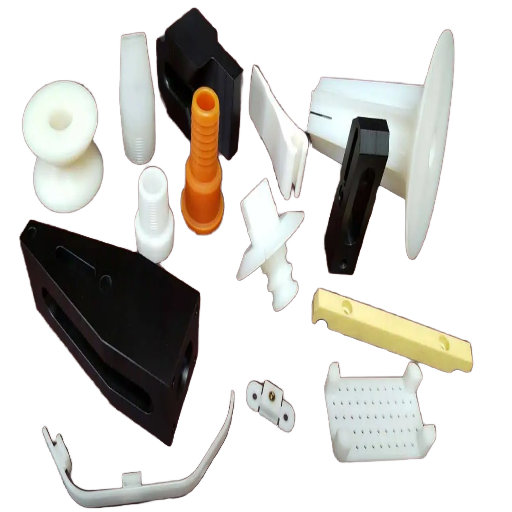
Common Plastics for CNC Machining
Choosing the Right Plastic for Your Project
Face it: Applications must determine the requirement for a plastic; it could be mechanical strength, heat resistance, chemical compatibility, or aesthetic properties. By evaluating the requirements or needs, the major attributes that correspond can be matched to one of the plastics, such as ABS for impact resistance, PEEK for high performance, or HDPE for lightweight chemical resistance.
💡 Selection Tips:
- Understand the requirements of the application-Temperature, stress, and chemical exposure
- Constrain manufacturing-Technological/difficulty in machining, tool wear
- Cost-Consider the benefits versus the cost of materials
- Check compliance with laws and regulations-Industry standards and certifications
Benefits of CNC Milling for Plastics
💰Cost-effectiveness
Plastic CNC machining offers a cost-effective option for producing a part by minimizing material wastage and labor charges. Including precise CNC machining, parts are produced according to exact specifications and thus require little to no finishing operations, making the production costs less.
🎯Precision and Accuracy
Providing ultimate precision and accuracy due to its automated design and control system, CNC machining employs computer-guided tools that ensure uniform and repeatable production within the tight tolerance of ±0.001 inches.
🔧Design Flexibility
If custom manufacturing is considered, custom CNC machining is very flexible to create parts for a particular need. The adjustability of CNC systems allows rapid changes to design specifications, making it superb for prototype demonstration and low-volume production runs.
Environmental Considerations in CNC Plastic Milling
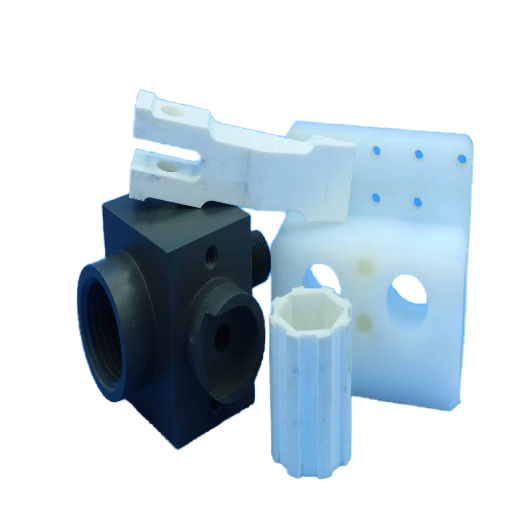
Sustainability of CNC Machining Practices
In CNC machining, sustainable practices can be encouraged by minimizing waste, optimizing the energy inputs for machining operations, and respecting precise manufacturing processes. Advanced CAD/CAM software reduces errors and ensures efficiency in the use of raw materials to prevent unnecessary scrapping.
🌱 Sustainable Practices:
- Energy-efficient machinery – Limiting its footprint on the environment
- Precisely manufactured – Puts restriction on over-production needs
- Durable parts – Longer life for products
- Optimization of materials – CAD/CAM software reduces waste
Recycling and Waste Management in CNC Processes
Recycling and waste are very important when it comes to sustainable operations in CNC machining. Most modern CNC processes generate waste materials such as metal shavings, cutting fluids, or spent tooling. All of these will require appropriate disposal so as to reduce the environmental impacts.
Smart Technology Integration:
With the help of smart technologies, such as an IoT-enabled CNC machine, waste management got streamlined further with real-time monitoring of resource consumption and waste production. The manufacturers are provided with relevant insights to improve resource efficiency and minimize waste.
Choosing Eco-Friendly Plastics
♻️ Ecologically friendly selection criteria:
- Biodegradable materials – Substances that undergo natural degradation
- Recyclable materials – Materials that can be reprocessed
- Renewable materials – Materials from a sustainable source
- Certified materials-USDA Certified Biobased, OK Compost
- Performance standards– meet application requirements
Applications of CNC Plastic Milling Services
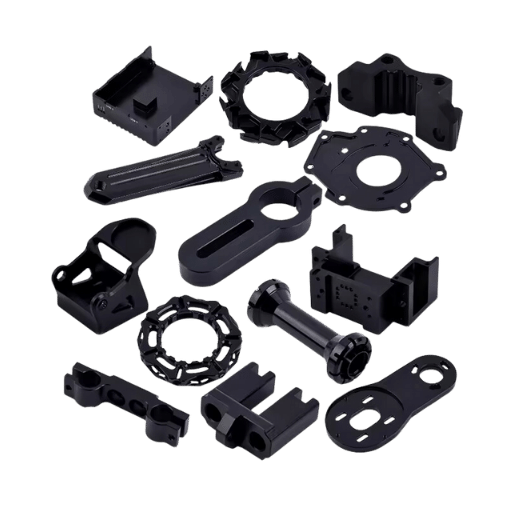
Industry Applications for CNC-Machined Plastics
🚗 Automotive Industry
Prototypes, custom parts, and lightweight structural elements for extra fuel economy and performance.
✈️ Aerospace Industry
High-performance plastic products for lightweight parts, insulating components, and heat or chemical resistance.
🏥 Medical Industry
Medical devices, surgical instruments, and implants are manufactured to the highest standards of precision, biocompatibility, and sterility.
💻 Electronics Industry
Insulators, connectors, and casings, weak mechanical strength, yet with good insulating properties for sensitive electronic devices.
⚙️ Industrial Equipment
Custom design gears, bearings, and seals for the needs of durability and wear resistance against corrosion.
🌱 Renewable Energy
Turbine blades, insulation parts, and structural components in the infrastructure of solar and wind energies.
Case Studies of Successful CNC Projects
Recap of CNC Plastic Milling Benefits
Key Advantages Summary
Precision & Accuracy
Highly accurate and consistent results with tight tolerances
Efficiency
Automated processes increase speed and reduce errors
Cost-Effectiveness
Reduced costs for repetitive jobs and high-volume runs
Customization
Ability to create highly intricate and customized components
Reduced Waste
Optimized material usage minimizes waste and costs
Additional Key Benefits
- ✓
Scalability: Both small prototypes and large production batches can be accommodated. - ✓
Advanced Features: Multiple operations from a single setup. - ✓
Consistency: Repeatable results for all parts.
- ✓
Enhanced Productivity:Continuous operation can be performed.
- ✓
Quality Standards: Must meet exact measurements consistently. - ✓
Minimal Intervention: Operations largely automated to reduce labor.
Additional Frequently Asked Questions
Reference Sources
- CNC Milling Plastic Chatter
Click here to download the paper
This document has presented practical observations and conditions during plastic milling on a CNC machine. - Multi-Process CNC Build – Preliminary Proposal
Click here to read the report.
This proposal details the CNCs capable of milling plastics and other materials. - Custom Aluminum CNC Machining Service from China

