


Modern manufacturing is a technology that asks for precision, efficiency, and adaptability; CNC lathe mills answer all the demands placed on them in the machining domain. These super tools draw the best features of lathes and milling machines and make it possible to manufacture very complex parts with extreme precision.
Introduction to CNC Lathe Mills

They are advanced machining tools that combine the functions of a lathe and a milling machine in one, providing precision to manufacturing processes at an efficient rate. These machines are controlled by CNC technology that ensures very high accuracy and repeatability in manufacturing parts and components.
Key Benefits: Automation integration minimizes manual intervention, reduces errors, and ensures optimal productivity levels, which remain pivotal in the realm of present-day manufacturing.
What is a CNC Lathe Mill?
The CNC Lathe Mill is a fully automated CNC machining tool that combines the functions of both lathes and milling machines. It is designed to turn the workpiece while a tool shapes and finishes it with precision. This means that a host of machining operations, such as turning, drilling, and milling, can now be performed very well on a single machine.
How CNC Lathe Mills Work
The CNC lathe mill controls the movement of both the workpiece and the cutting tools by a computer numerical control system. The workpiece is carried by a spindle that rotates at the desired speed, while the cutting tools move along the desired axes to carry out various operations, such as turning, milling, and drilling.
Process Overview:
- The machine follows programmed instructions (G-code)
- Defines tool paths and cutting depths
- Produces high-accuracy components
- Ensures consistent results with minimal manual intervention
Key Components of a CNC Lathe Mill
🔧 Spindle
Holds and rotates the workpiece precisely during the machining processes. The spindle is crucial for achieving dimensional accuracy and high surface finishes.
⚒️ Cutting Tools
Attach holders for cutting, drilling, milling, and other operations. Having multiple types of tools means that machining can accomplish almost anything.
🔄 Tool Turret
Has multiple cutting tools and rotates them automatically to locate the required cutting tool for a particular operation, thereby increasing performance.
💻 Control Panel
Interface for programming and operating the machine. Includes a display and controls for inputting machining instructions.
⚙️ Axis Motors
These are motors that allow the movement of cutting tools and workpieces along the X, Y, and Z axes for highly accurate positioning.
🏗️ Bed and Frame
Rigid structure supporting and providing a base for the spindle, axes, and turret to perform uninterrupted and vibration-free.
Applications of CNC Lathe Mills in Various Industries
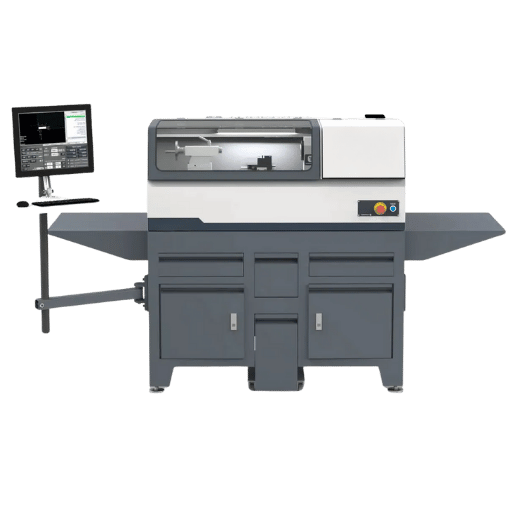
🚗 CNC Lathe Mills in Automotive Manufacturing
CNC lathe and milling operations in the automotive industry play a crucial role in manufacturing precise components with increased efficiency and repeatability. They are widely used in machining engine blocks, crankshafts, transmission parts, and oil-tight-tolerance components.
Performance Specifications:
- Tolerances: Up to ±0.001 inches for pistons and camshafts
- Materials: Titanium and carbon fiber composites for lightweight designs
- Market Growth: 7.3% CAGR projected from 2023 to 2030
- Industry 4.0 Integration: IoT and real-time data analytics capabilities
✈️ Use of CNC Mills in Aerospace Production
CNC mills are fundamental in aerospace manufacture, where extreme precision, working with materials at the highest level, and highly complex geometries are all important. Heavyweight advanced materials, such as titanium alloys, carbon fiber composites, and nickel-based superalloys, are used in the aerospace sector.
Advanced Capabilities:
- Multi-axis capabilities for intricate components
- Adaptive machining and AI-powered tooling systems
- Real-time monitoring for tight tolerance maintenance
- 50% reduction in production time with minimized material waste
🏥 Medical Device Prototyping with CNC Machines
In manufacturing medical devices using CNC machining prototype systems, precision, repeatability, and speed are all key considerations. These machines enable the production of intricate parts made from biocompatible materials, such as titanium, stainless steel, and medical-grade plastics.
Medical Manufacturing Benefits:
- Rapid iteration during the prototyping phase
- Compliance with strict regulatory standards
- Reduced human error through automation
- Consistent quality throughout the development process
Advantages of CNC Lathe Mills Over Traditional Machinery
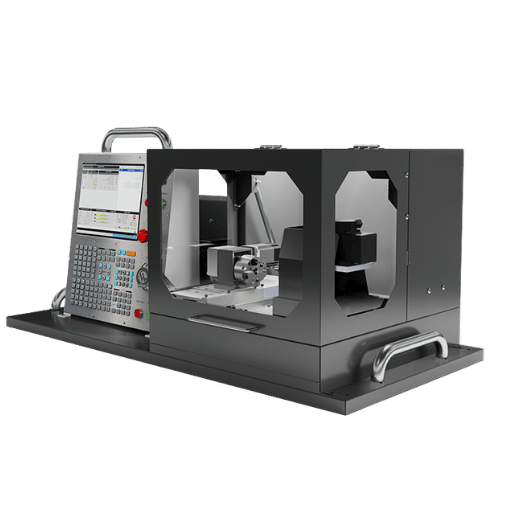
🎯 Precision and Accuracy in Machining
Tolerance Capability
RPM Spindle Speed
Efficiency Improvement
⚡ Increased Efficiency and Production Speed
The implementation of advanced CNC lathe mills has complicated the manufacturing process and, at the same time, significantly increased efficiency and production speed. Recent increases in machining speed have enabled cutting tools to operate at extremely high spindle speeds.
Speed Enhancement Features:
- Spindle speed ranges of more than 30,000 RPM
- Simultaneous milling, drilling, and turning operations
- Minimized downtime through automation
- Up to 50% improvement in production efficiency
🔧 Versatility in Material Processing
In terms of CNC lathe mills, versatility is their tradition. These machines perform with material precision and uniformity over a wide range. They can accommodate metals and non-metals with equal proficiency.
Maintenance Tips for CNC Lathe Mills
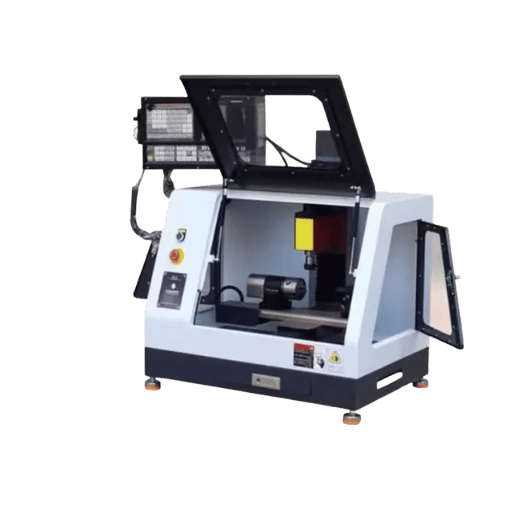
📋 Routine Maintenance Checklist
📅 Daily Maintenance
- Clean machine surfaces and work area
- Inspect cutting tools for wear or damage
- Verify lubrication levels
- Check air filters and remove debris
📅 Weekly Maintenance
- Inspect belts for tension and wear
- Test emergency stop buttons
- Ensure adequate coolant levels
- Replace old coolant as needed
📅 Monthly Maintenance
- Inspect electrical connections
- Calibrate machine axes
- Clean and lubricate components
- Check safety mechanisms
📅 Annual Maintenance
- Full alignment check of all parts
- Replace worn bearings or seals
- Professional inspection
- Identify potential long-term issues
🔧 Common Issues and Troubleshooting
💧 Importance of Coolant and Lubrication
Heat Management
Prevents overheating and thermal damage to components
Friction Reduction
Extends component lifespan by up to 40%
Protection
Prevents corrosion and contamination
Key Statistics:
- Inadequate cooling can reduce equipment efficiency by up to 20%
- Proper lubrication extends mechanical component lifespan by 40%
- Modern lubricants include advanced additives for thermal stability
- Real-time monitoring reduces failure risk significantly
Future Trends in CNC Technology

💻 Advancements in CNC Control Software
Modern Software Features:
🤖 AI Algorithm Integration
Reduces the production time while generating toolpaths
🖥️ Advanced Simulation
Visualization in digital form before actual execution reduces errors
🌐 IoT Compatibility
Communicate smoothly within the innovative factory ecosystems
☁️ Cloud-Based Monitoring
Sharing of data in real-time and monitoring from a distance
🧠 Integration of AI in CNC Machining
With the emergence of AI integration in CNC machining, a significant shift has occurred in this sector, as it enables systems to become more intelligent, efficient, and adaptable.
🔮 Predictive Maintenance
- Utilizes machine learning to analyze sensor data
- Predicts equipment failures before occurrence
- Minimizes downtime and reduces costs
🎯 Process Optimization
- Real-time adjustment of cutting parameters
- Continuous improvement of precision
- Adaptation to varying material properties
📊 Performance Improvements:
Productivity Gains
Defect Detection Accuracy
Waste Reduction
Frequently Asked Questions (FAQs)
🎯 Conclusion
CNC lathe mills stand pure modern machining+technology applied, where they are precision, efficiency, and versatility all bestowed onto one powerful solution. This machine has swept the manufacturing sectors worldwide, from automotive manufacturing to aerospace to prototyping medical devices. CNC lathe mills, with their razor-sharp tolerances of ±0.0001 inches and capability of increasing production by up to 50%, therefore must be an essential investments by companies hard up in today’s deadly competitive market. And with further integration of AI plus Industry 4.0 technologies, we may see even higher marks of CNC machining for precision engineering and automated manufacturing processes.
📚 Reference Sources
1. CNC lathes | Engineering Product Innovation Center (Boston University)
2. CNC Mills + Lathes | University of Wisconsin-Madison

