


CNC Lathe Mill: Revolutionizing Manufacturing with Advanced CNC Technology
With advanced CNC technology being embraced everywhere, production is facing major transformations. Among critical changes is the CNC lathe mill, a hybrid machine combining turning and milling in a single multifunctional system. As an innovation, it redefines productivity, precision, and efficiency in different industrial sectors.
Overview of CNC Lathe Mills
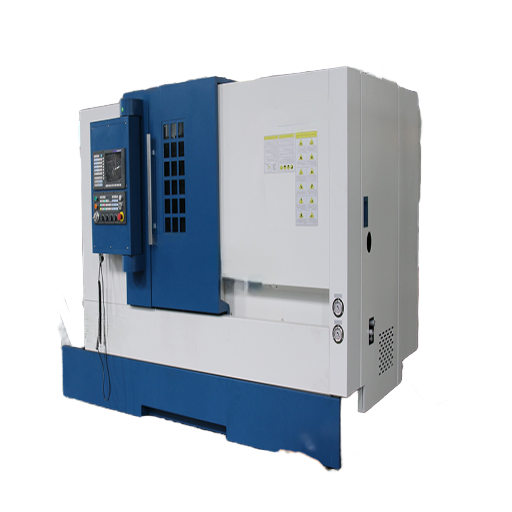
The CNC lathe and milling machines are rather versatile machining tools capable of combining the actions of a lathe and a milling machine into one. A set of instructions is fed through CNC programming into this machinery, thus enabling the processing of complex parts with diligence and repeatability. These versatile machine tools conduct turning, drilling, and milling operations with ease-one-stop solutions for manufacturing components bearing complex geometries.
Key Benefits:
- Shorter lead times
- Least waste material possible
- Best quality control
- Tour-de-force process for manufacturing aerospace, automotive tools, and medical devices
What is a CNC Lathe Mill?
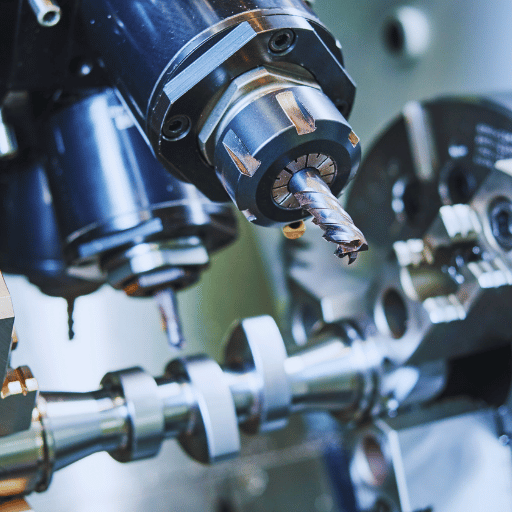
The CNC Lathe Mill is a precision machining equipment in which both the CNC lathe and CNC milling machines are combined. This hybrid machine can perform turning and milling operations efficiently and can make complex components with fewer steps.
Key Features
- Computer numerical control automation
- Higher levels of accuracy and repeatability
- Multi-axis configurations
- Advanced programming capabilities
- Enhanced integration of software
Industries Served
- Aerospace manufacturing
- Automotive production
- Medical device creation
- Precision engineering
- Complicated component fabrication
How CNC Lathe Mills Function
CNC Lathe Mills work using computer numerical control (CNC) to automate the machining process. Using pre-programmed instructions, the machine will shape the material by following a path and using tools dictated by those instructions.
Operation Process:
- Mounting of Workpiece: Secure the workpiece onto the spindle.
- Combined Operations: The Work of the lathe components works in combination with that of the milling components.
- Precision control: Sensors maintain precision at all times.
- Software Monitoring: Monitors the software and corrects paths when necessary.
- Quality Control: Keeps within tolerances for the final part.
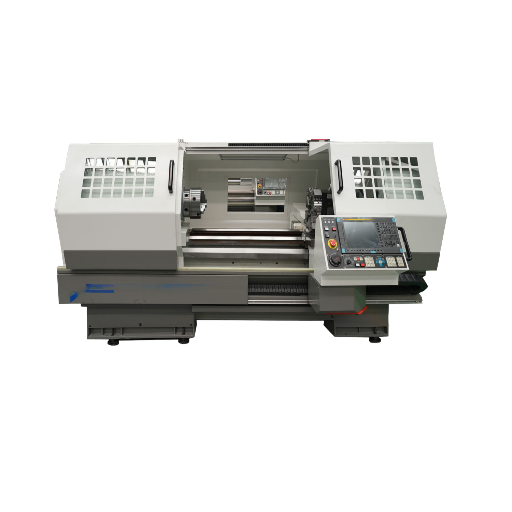
Key Components of a CNC Machine
Latest Advancements in CNC Technology
New Developments in CNC Milling Machines
- Greater automation capability
- AI- and machine-learning-based technology
- Enhanced multi-axis machining
- Establishment of virtual CNC machinery
CNC Control Software Trends
- Toolpath optimization powered by AI
- Cloud-based solutions
- Digital twin integration
- Enhanced IoT and smart manufacturing
Effects of Automation for CNC Machining
In CNC machining, automation has contributed very positively to productivity, precision, and efficiency. It uses a continuous working system for most of the time, implying less downtime and more output, thereby raising the accuracy level since human error is minimized.
Benefits of Using CNC Lathe Mills

Efficiency and Precision in Manufacturing
CNC lathe mills are truly efficient and precise in production with the working of complexly shaped, highly precise components, which means hardly any waste occurs. These machines precisely cut, drill, and turn for surface finishing, ensuring the same quality on every item produced.
Versatility Across Various Industries
Aerospace
Critical components with very fine tolerances
Automotive
Engine parts and assembly components
Medical
Surgical instruments and prosthetics
Cost-Effectiveness of Affordable CNC Solutions
Inherent Cost Advantages:
- Labor cost decreased, hence the name
- Reduced wastage of raw materials
- Productive efficiency increased
- Lower utility charges
- Optimal material efficiency
- Scalability for SMEs
Challenges in CNC Machining
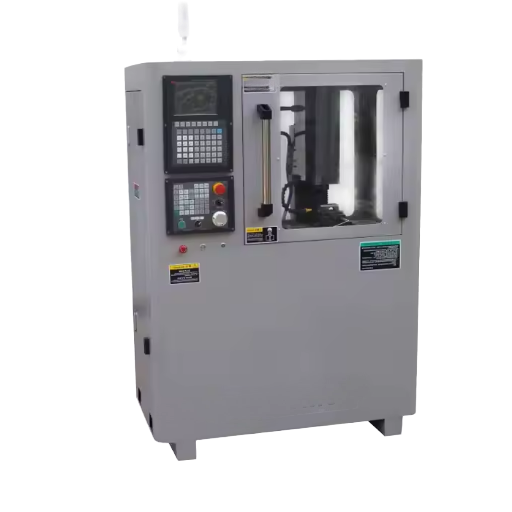
Common Issues with CNC Machinery
Potential Solutions and Best Practices
Preventive Actions
- Schedule regular preventive maintenance
- Use precision measuring tools
- Install a high-capacity chip evacuation system
For System Optimization
- Use a power stabilizer
- Carry out regular updates
- Follow thorough testing protocols
Human Resources
- Full operator training
- Training to improve skills
- Methods in troubleshooting
The Importance of Maintenance of CNC Lathes
Maintenance is needed to retain precision, dependability, and long life. When well kept, a machine operates with less wear, fewer unexpected breakdowns, and a longer life span. Scheduled maintenance on an item guarantees less expense and more operational efficiency in safety planning.
Comparing Traditional Lathes and Modern CNC Lathes
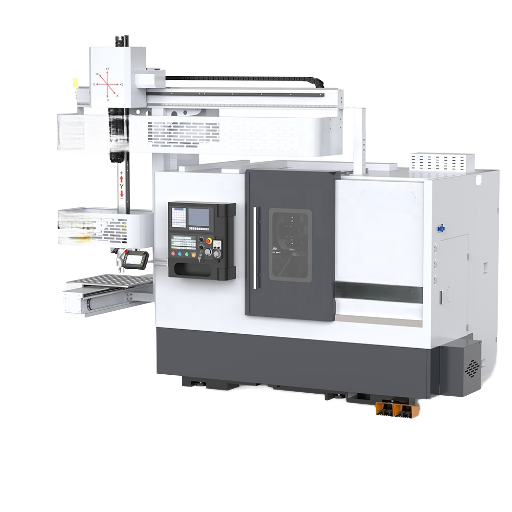
Differences Between CNC Lathe and Traditional Lathe
CNC Lathe vs CNC Milling: Key Distinctions
Advantages of CNC Over Manual Operation
Operational Advantages
- Consistency and precision
- Efficiency and speed
- 24/7 unattended operation
- Human-error risk minimization
Technical Benefits
- Complex geometries
- Multi-axis operations
- CAD/CAM software integration
- Operator safety enhancements
Selecting the Right CNC Lathe Mill

Factors to Consider When Choosing CNC Machines
Technical Specifications
- Material Compatibility: Metals, plastics, composites
- Size and Dimensions: Workspace requirements
- Axis Configuration: 4-axis or 5-axis capabilities
- Precision and Tolerances: Accuracy requirements
Performance Features
- Spindle Speed: RPM capabilities
- Power Requirements: Energy specifications
- Production Volume: High-speed vs precision focus
- Software Compatibility: CAD/CAM integration
Business Considerations
- Cost and Budget: For pre-implementation and during operations.
- Maintenance Support: For technical assistance
- Vendor Reputation: Get to know the vendor’s history pertaining to quality and reliability.
- Training Requirements: Getting operators to acquire the necessary skills
💡 Pro Tip:
While going through the specs and features of different machines, these are the things you ought to consider in accordance with your operational requirements. For example, consider capacity, speed, and accuracy, depending on which option meets your production needs. Then, consider any special circumstances concerning integration if the machine has to work with a system already installed in your plant.
User-Friendly Options for Beginners
For a beginner, it is better to have:
Intuitive interfaces
Clear instructions and pre-configured settings
Safety Features
Built-in safety protocols and alerts
Mobile Integration
Real-time monitoring and control apps
Future Trends in CNC Machining
Predictions for CNC Technology Advancements
Role of Desktop CNC Milling Machines in the Market
A desktop CNC milling machine is a versatile piece of machinery, important in the market as it offers precise manufacturing on a smaller scale. Smaller businesses and hobbyists find an inexpensive entry point into prototyping and production, as do colligate institutions.
Market Impact:
Software Integration
High-Quality Results
Innovation Bridge
Impact of 3D Printing on CNC Machining
3D Printing
- Rapid prototyping
- Complex geometries
- Layer-by-layer building
- Reduced material waste
CNC Machining
- Precise parts from solid materials
- Superior material strength
- Excellent dimensional accuracy
- Durability and reliability
Complementary Technologies
Thus enabling manufacturers a multi-faceted toolkit for any production application that might range from rapid prototyping to precision manufacturing.
Frequently Asked Questions (FAQs)
Q: What distinctions exist between the CNC lathe and the CNC mill?
The largest contrast comes from the geometry of the motion generated. A CNC mill uses a rotating cutting tool to remove material from a stationary workpiece, allowing it to produce complex shapes and flat surfaces. Put another way, a CNC lathe rotates the workpiece against the cutting tool and is great for cylindrical parts. Each type of machine is employed depending on the specifics of the design.
Q: How does a CNC Lathe Machine work?
In this process, the CNC lathe machine mechanically rotates the workpiece on the spindle while a stationary cutting tool steers its shaping operations through computer programming. This process production can create parts Conformance very accurate conformance within given tolerances, so it’s used more for shafts and cylindrical parts.
Q: What are the usual tools for CNC turning?
Common CNC turning tools are the turning tool, cutting tool, lathe tool, end mill, insert, and turret tool. These tools are designed to address various materials like metals and plastics while keeping their cutting operation precise. The tool is chosen depending on the material and finishing quality required by the workpiece.
Q: Will a CNC lathe do milling operations?
Yes, some lathes known by the term turning centers can do milling operations. These combined machines merge turning and milling capacities for diverse uses within machine shops. Milling suitability also depends on the particular machine design needs and the complexity of the milling operations required.
Q: How do I choose the right CNC machine for my projects?
Workpieces to be machined, materials to be worked with, and metrics of precision are things to be considered. A smaller CNC mill would be an ideal machine for aluminum machining and prototyping. Follow the specifications of the machines, in regard to their highest rpm and compatibility with a tool, so that you may be able to derive the best results for your own purposes.
Reference Sources
- The CNC Milling Machines and Lathes at the University of Wisconsin-Madison
This webpage provides information of the highest detail describing CNC mills and lathes at the Engineering Lab of the University.
- CNC Lathes-Boston University Engineering Product Innovation Center
This resource describes the CNC lathes available at Boston University’s EPIC and describes their hybrid operation availability.
- Milling Process-Machining-Wikipedia
The Milling Process includes all applications and techniques.
Conclusion
CNC lathe mills are the future of precise and accurate manufacturing: speed, versatility, and technology all combined. While upgrading existing processes or taking on new projects, a knowledgeable decision regarding the capabilities and applications of these machines will certainly help increase their productivity and the quality that your processes can achieve.
Now that the CNC technology revolution has set in, the manufacturing process will likewise be revolutionized. Have fun exploring today’s possibilities.

